

The Strengths Assessment for Teens That Builds a Development Path
The Whole Human Assessment reveals your teen's strengths across 31 competencies in 6 domains, not a grade, a starting point. Here's how it works.
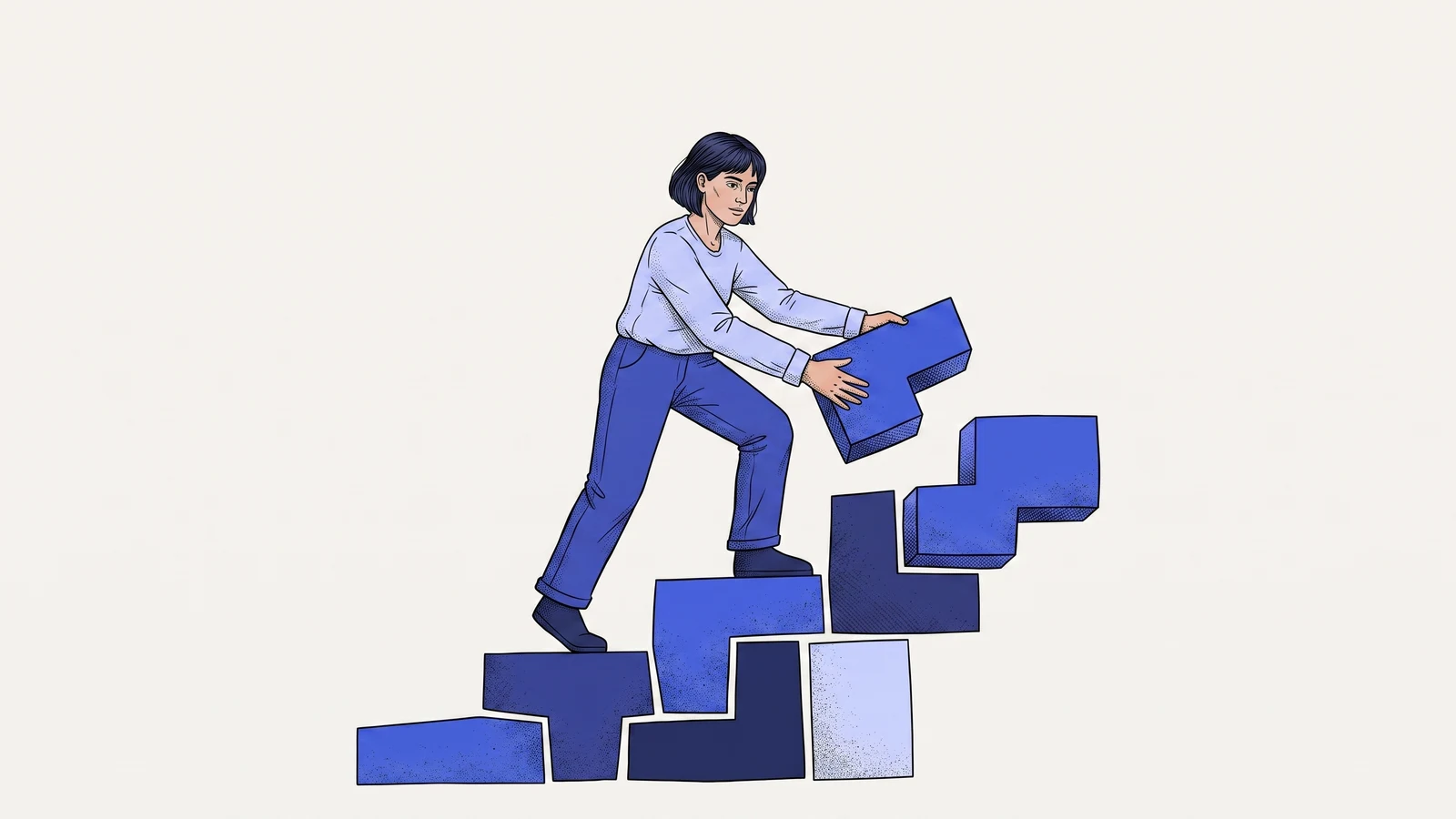
Before your teen can build toward something, they need to see where they are.
Not how they rank. Not what they're missing. Where they actually are, across the competencies that show up in real life, not just on a transcript.
That's what the Whole Human Assessment is for.
How to Find Your Teen's Strengths (and Why Most Approaches Fall Short)
Most parents look for their teen's strengths the way they were taught: observe what they're naturally good at, notice what they enjoy, ask a teacher. That's a start. But it produces a vague answer ("she's creative" or "he's good with people") that's hard to build from.
A strengths assessment goes further. It gives you and your teen specific language for what's present and what's developing, a profile you can actually use to make decisions about what to build next.
The challenge with most teen strengths tools is that they're narrow. Gallup's StrengthsExplorer gives a top-3 character theme profile for 10–14 year olds. VIA assesses character virtues. Both are valuable for self-awareness. Neither connects to a development platform or tells a teen what to do with what they learn.
The Whole Human Assessment was designed to solve that gap.
What the Whole Human Assessment Is
The Whole Human Assessment is a 124-item behavioral self-report built on Altitude's Whole Human Framework, 31 competencies across six domains:
- Thought: how your teen processes, reasons, and makes decisions
- Emotion: how they recognize, regulate, and respond to what they feel
- Social: how they communicate, connect, and navigate relationships
- Values: what guides their choices and how they act on what matters
- Mindset: how they relate to growth, challenge, and belief in themselves
- Identity: how they know who they are, what they care about, and how they take care of themselves
Each competency is measured by four behavioral items, three positively keyed, one reverse-scored. The questions aren't abstract ("Are you a good communicator?"). They're grounded in specific, observable behavior: how often a teen actually engages in the things each competency is built from.
The assessment doesn't produce a grade. It doesn't compare your teen to anyone else. No pass, no fail, no percentile rank.
What Your Teen Gets: The Whole Human Report
After completing the assessment, your teen receives a Whole Human Report, a personalized profile across all 31 competencies, sorted from demonstrated strengths to areas with the most room to grow.
The report gives your teen:
- Named strengths: the specific competencies they're most consistently demonstrating right now, across six domains
- A growth map: the competencies with the most room to develop, framed as direction rather than deficit
- Shared language: specific terms your whole family can use to talk about development without vague generalizations or grade comparisons
What the report doesn't give: a single overall score, a peer comparison, or a verdict about who your teen is.
It's a starting point. Specifically, the starting point, because Precision Development uses it alongside your teen's Altitude Coach match to build a personalized development path from exactly where they are.
You Can't Build on What You Can't See
Altitude's whole philosophy starts from strengths (what's already present and real in your teen) and builds forward from there.
The Whole Human Assessment makes that visible. Not in the vague way of noticing your teen is "great with people" but in the specific way of seeing Communicates and Reads Social Cues both scoring in the top third of their profile, while Sustains Determination and Manages Time and Focus have clear room to grow.
When strengths are named that specifically, a teen doesn't need someone else to tell them what to do next. The path becomes readable. The growth areas become a direction, not a judgment.
What This Looks Like in Practice
Your teen opens Discovering Your Strengths (Altitude's entry Course) and works through the 124-item assessment with their Altitude Coach alongside them. The Coach delivers the experience in their matched voice, steady and affirming, or direct and challenge-oriented, depending on how your learner is matched.
When the Whole Human Report arrives, it's not handed over cold. Their Coach helps them make sense of it: what the strengths mean, what the growth areas point toward, how it connects to the Pathway their development path will start with.
By the end of Discovering Your Strengths, your teen has:
- A clear, named view of what's strong in them right now
- Language to talk about their growth across six domains
- A development path that begins from where they actually are
And you, as the parent, have a shared language too, one you can use in everyday conversation, not just inside the platform.
Frequently asked questions
How do I find my teen's strengths?
The most useful starting point is a behaviorally grounded assessment that names strengths specifically across multiple domains, not just "she's a leader" or "he's creative." Altitude's Whole Human Assessment does this across 31 competencies in six domains, producing a named, sortable profile your teen can actually build from.
What is a good strengths assessment for teenagers?
The best teen strengths assessment gives specific, actionable results, not just a top-3 personality label. The Whole Human Assessment measures 31 competencies across Thought, Emotion, Social, Values, Mindset, and Identity, and connects directly to your teen's personalized development path on Altitude. It's designed specifically for 13–18 year olds.
How does a teen strengths assessment work?
Your teen answers 124 behavioral questions about how often they engage in specific actions, things tied to each of the 31 Whole Human Competencies. The result is a Whole Human Report: a profile of their current strengths and growth areas, sorted for their reflection and used to build their development path.
Is the Whole Human Assessment a pass/fail test?
No. The Whole Human Assessment is strengths-based and per-competency. There's no overall grade, no pass or fail, no comparison to other learners. It's a profile of your teen: where they are now, and where they can go.
How is this different from StrengthsFinder or VIA?
Both tools give character-theme or virtue snapshots, useful for self-awareness, but not connected to a development platform. The Whole Human Assessment feeds directly into your teen's personalized Altitude development path. Their strengths profile becomes the foundation for what their Coach builds with them next.
When can my teen take the Whole Human Assessment?
Altitude opens for Founding Families in January 2027. Join the waitlist to be among the first in.
Related Resources
From Altitude:
- Growth: The Continuous Process of Becoming
- What Is the Whole Human Framework?
- How to Help Your Teen Truly Know Themselves
- Join the waitlist
Further Reading:
- The Strength Switch by Lea Waters. Strength-based parenting grounded in research; pairs naturally with the Whole Human Report.
- Grit by Angela Duckworth. Explores persistence and passion as competencies that can be developed, closely aligned to Altitude's Mindset domain.
Your teen already has strengths. The Whole Human Assessment names them (across 31 competencies in six domains), and Altitude builds from there.
Altitude opens to founding families in January 2027. Join the waitlist to be among the first families in Florida and Georgia.