

How to Help Your Teen Truly Know Themselves
Self-knowledge is the foundation of identity, and a skill your teen can build. Here's how to help them understand who they are.
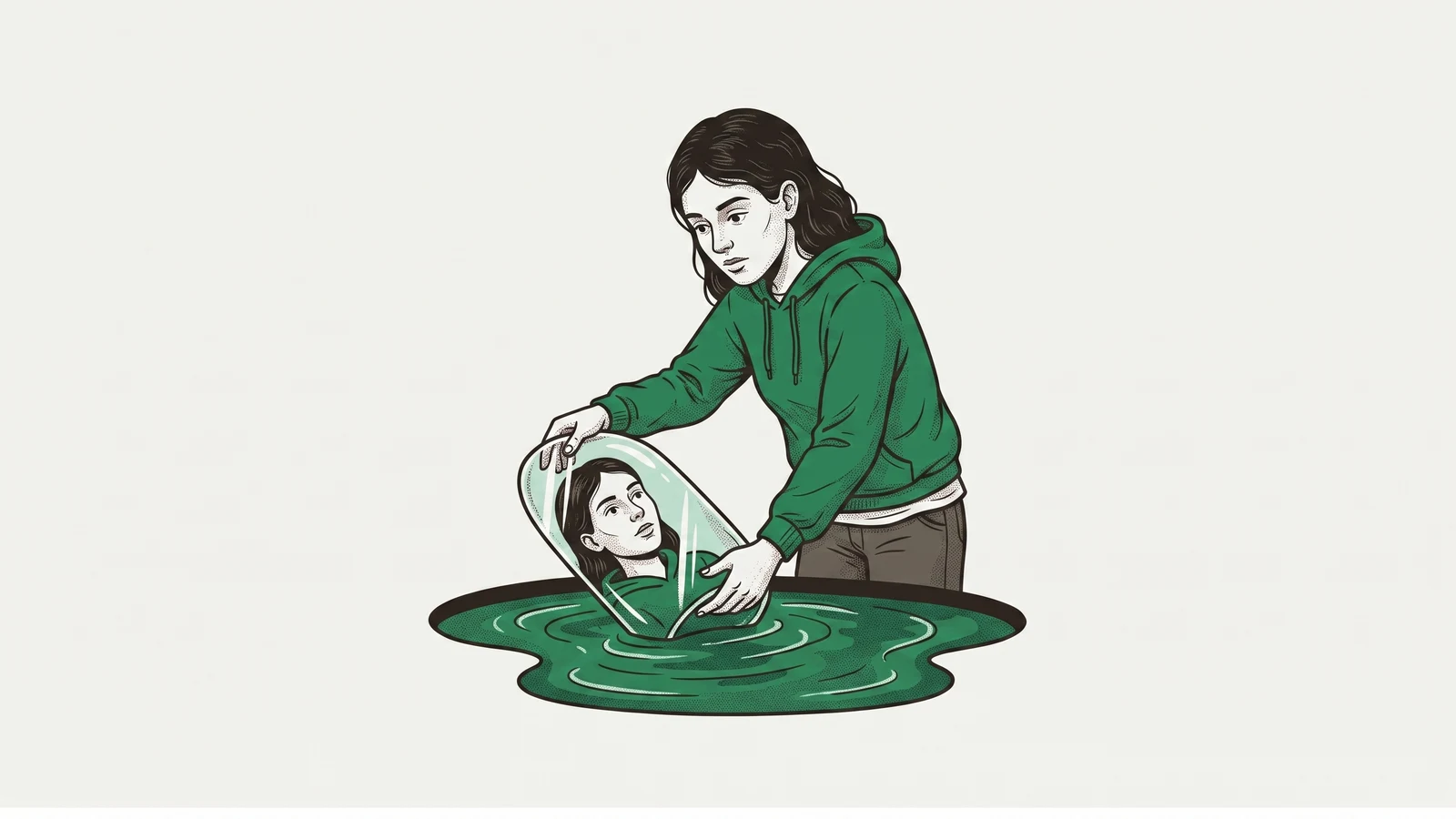
Ask a teenager "who are you?" and you'll often get a long pause, or a shrug. That's not a problem. It's the starting point. Knowing yourself, your strengths, your values, what actually drives you, is the foundation everything else in the Identity domain is built on, and it's something your teen can build.
At Altitude, this is Knows Self, one of four competencies in the Identity domain. Here's what it means and how to help.
What "Knows Self" Means
Knowing yourself is understanding your own strengths, values, emotions, and patterns. For a young person, it looks like naming what they're good at, noticing what matters to them, recognizing how they tend to react, and describing themselves in a way that goes deeper than the labels other people have handed them.
That last part matters in adolescence especially, when so much of a young person's self-image is shaped by what peers, teachers, and the internet reflect back. Knowing yourself means having your own answer to who you are.
Why Self-Knowledge Comes First
Self-knowledge is the foundation the rest of identity rests on. It's hard to live with purpose if you don't know what you value. It's hard to build real confidence if you don't know your own strengths. It's hard to make decisions you're proud of if you don't understand your own patterns. A young person who's building self-knowledge has the raw material every other part of identity depends on, which is why it's worth tending early.
How to Build It at Home
Reflect their strengths specifically. Not "you're great," but "you notice when people are left out, that's real awareness." Specific reflection helps a young person see themselves clearly.
Ask values questions. "What felt important about that?" "What would you have done differently?" Questions like these help a teen discover what they actually care about.
Help them notice their own patterns. Gently point out the through-lines: "You always come alive when you're building something." Self-knowledge grows when patterns become visible.
Resist defining them. It's tempting to tell a young person who they are. The deeper gift is helping them define themselves. Ask more than you label.
Offer a real starting point. A strengths-based way to see themselves (designed for teens, not borrowed from an adult personality quiz) turns "I don't know" into a concrete place to begin.
Frequently asked questions
How do I help my teen know themselves better?
Reflect their strengths specifically rather than offering generic praise, ask questions that help them discover what they value, and gently point out the patterns you notice in them. Most importantly, resist defining them. The goal is to help them build their own understanding of who they are, not hand them yours.
Why doesn't my teen seem to know who they are?
This is developmentally normal, adolescence is exactly when identity is being formed, so uncertainty about who they are is part of the process, not a sign something's wrong. Self-knowledge grows through reflection, honest conversation, and experiences that show them their own strengths and values over time.
What are good self-discovery activities for teens?
The most useful ones invite genuine reflection: noticing what energizes them, identifying their strengths, exploring what they value, and trying varied experiences to learn what fits. A strengths-based assessment built for teens can give them a concrete, affirming starting point that's more useful than a generic personality quiz.
Related Resources
From Altitude:
You can't build a life on a self you don't yet understand. The goal isn't to define your teen. It's to help them define themselves, one honest reflection at a time.
Altitude opens to founding families in January 2027. Join the waitlist to be among the first families in Florida and Georgia.