

Self-Directed Learning for Teens Starts with These Competencies
Altitude is built so your teen drives the path, not you. Here's how the platform develops self-direction through the Whole Human Framework's 31 competencies.
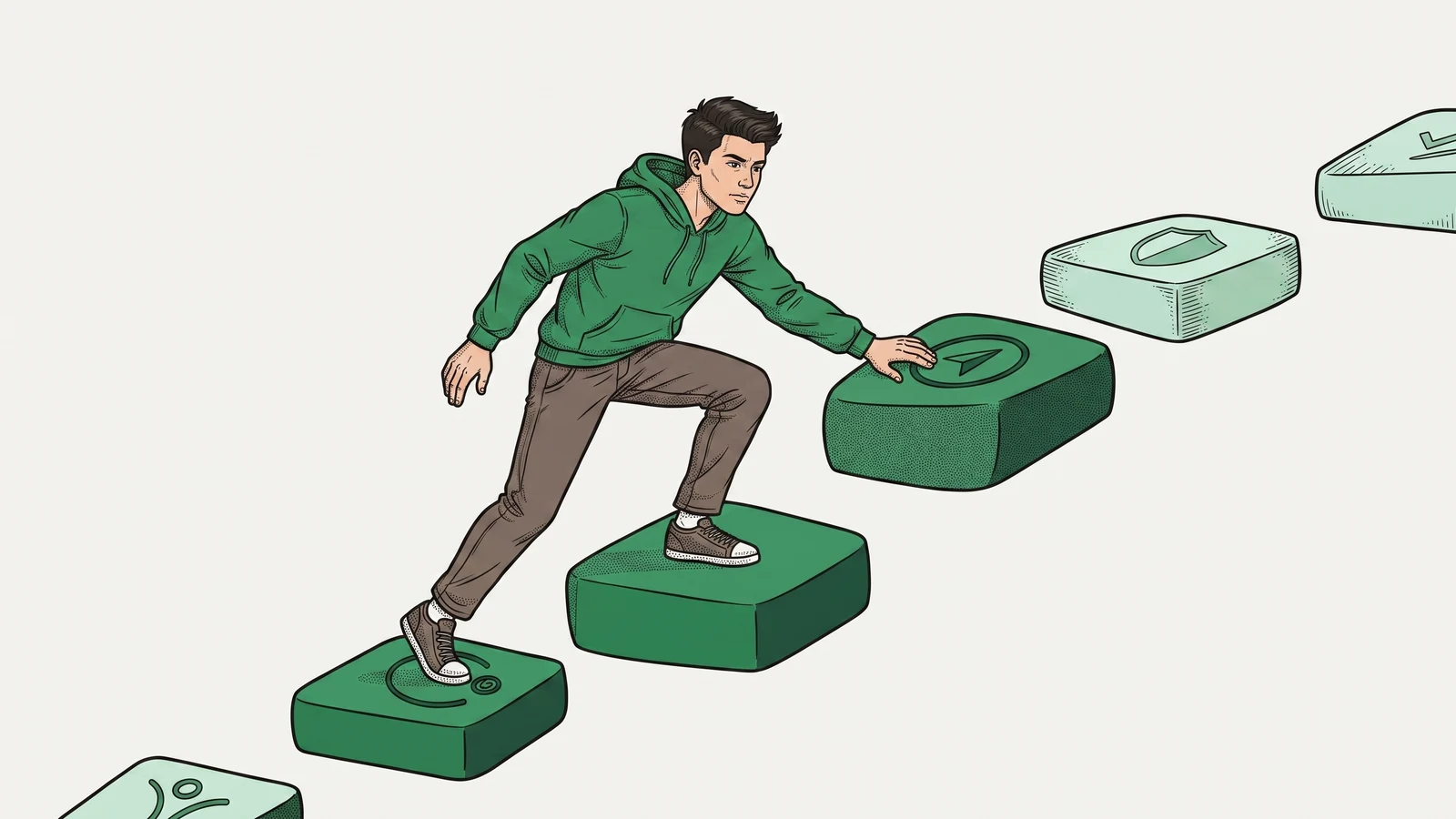
Most platforms give teens content to consume. Altitude is designed so they drive.
That's not a branding distinction. It's a product design decision that runs from the first quiz through every Pathway a learner works through. If you're homeschooling because you believed your teen was capable of more than a system that decides everything for them, this is what that looks like in practice.
What Self-Directed Learning for Teens Actually Means
Self-directed learning for teens means the learner sets goals, manages their own path, reflects on their progress, and makes increasingly meaningful decisions about what they're building, without needing someone to orchestrate every step.
That's different from what most platforms offer. "Self-directed" in the average edtech world usually means teens can log on whenever they want or pick which video to start with. That's flexibility. Altitude is designed to develop the capacity for self-direction itself, because the ability to lead your own growth isn't something most young people have by default. It's built.
The Competencies Behind Self-Direction
Here's something competitors in this space rarely name explicitly: self-direction is a set of competencies, not a personality type.
Inside Altitude's Whole Human Framework (31 competencies across six domains) the competencies that directly build self-direction live across multiple domains:
- Mindset: Believes in Self and Growth, Sustains Determination (the belief and persistence that makes self-direction feel possible)
- Values: Lives with Purpose, Acts with Integrity (the internal compass that gives a learner something to self-direct toward)
- Identity: Knows Self, Plans and Completes (the self-knowledge and follow-through that makes a path actually actionable)
Your teen isn't watching a motivational video about why independence matters. They're practicing the specific behaviors these competencies are built from, getting feedback from their Altitude Coach, and reflecting on what they're noticing in themselves. That's the mechanism.
The Starting Point: Seeing Clearly Before Moving
A teen can't meaningfully own their path if they don't know where they are. That's why Altitude's entry experience (Discovering Your Strengths) exists before any development path is built.
Through the Whole Human Assessment, a 124-item strengths-based tool, your learner gets a picture of where they currently stand across all 31 competencies. The result is their Whole Human Report: a personalized profile sorted from demonstrated strengths to growth areas, expressed in specific named language.
This matters for self-direction because the moment a learner has language for their strengths and growth areas, the path forward becomes legible to them. They stop waiting to be told what to do next.
Your Teen Drives. You're Not Managing Every Step.
Precision Development. Altitude's personalization system, builds a development path based on your learner's Whole Human Report and Coach match. Their Altitude Coach walks with them through that path in a voice matched to how they learn: warm and affirming for a learner building confidence, direct and high-standards for one motivated by challenge.
Your role as the parent shifts. You're not orchestrating every experience or translating the framework for your teen. You see the competency profile. You can have richer conversations about what they're building. You're informed, not in the middle.
That's the version of homeschool agency most parents are working toward: your teen running their own development, with a coach alongside them, and you supporting without managing.
What This Looks Like in a Typical Week
Your teen opens their Altitude path. Maybe today it's a 5-minute Tool, a breathing practice from the Emotion domain to ground themselves before a hard conversation. Maybe it's a module in a multi-week Course on how they make decisions under pressure. Their Coach opens the session, delivers instruction in their matched voice, and closes with a reflection prompt.
No parent logistics required. The path is already there. The Coach is already there. What your teen brings is the willingness to show up, and Altitude develops the competencies that make showing up feel worth it.
Frequently asked questions
What is self-directed learning for teens?
Self-directed learning means a teen takes ownership of their goals, path, and progress, making meaningful decisions about what they're building without needing someone to manage every step. It's a set of competencies, not a personality type. Altitude is designed to develop them.
How do I teach my teen to take ownership of their learning?
Start with self-knowledge. A teen who can see their strengths clearly (in specific, named language) has a foundation to build from. Altitude's Whole Human Assessment and Whole Human Report do that work first, then Precision Development builds a path from where they actually are.
What makes a teen a self-directed learner?
Self-directed teens have built specific competencies: self-belief, persistence, a sense of purpose, self-knowledge, and the ability to plan and follow through. Altitude develops these explicitly across the Mindset, Values, and Identity domains, not as general life advice, but as structured, competency-mapped practice.
Does Altitude require parental management to work?
No. The platform is designed so your teen drives their experience. Precision Development handles path-building. The Altitude Coach handles guidance. You can see the profile and growth over time, without needing to coordinate every step.
When does Altitude open for enrollment?
Altitude opens for Founding Families in January 2027. Join the waitlist to get early details and secure your spot.
Related Resources
From Altitude:
- Agency: Helping Young People Own Their Path
- What Is Altitude? Where Becoming Begins
- How to Help Your Teen Truly Know Themselves
- Join the waitlist
Further Reading:
- The Self-Driven Child by William Stixrud and Ned Johnson. The research-grounded case for teen autonomy and how parents can support it without managing it.
- Project-Based Homeschooling by Lori McWilliam Pickert. Practical guide to building self-direction at home.
Altitude opens to founding families in January 2027. Join the waitlist to be among the first families in Florida and Georgia.