

Why Your Teen Won't Start Anything Unless You're Standing Over Them
The moment you step back, everything stalls? Self-direction is a specific, buildable skill, here's what's behind it and how to build it at home.
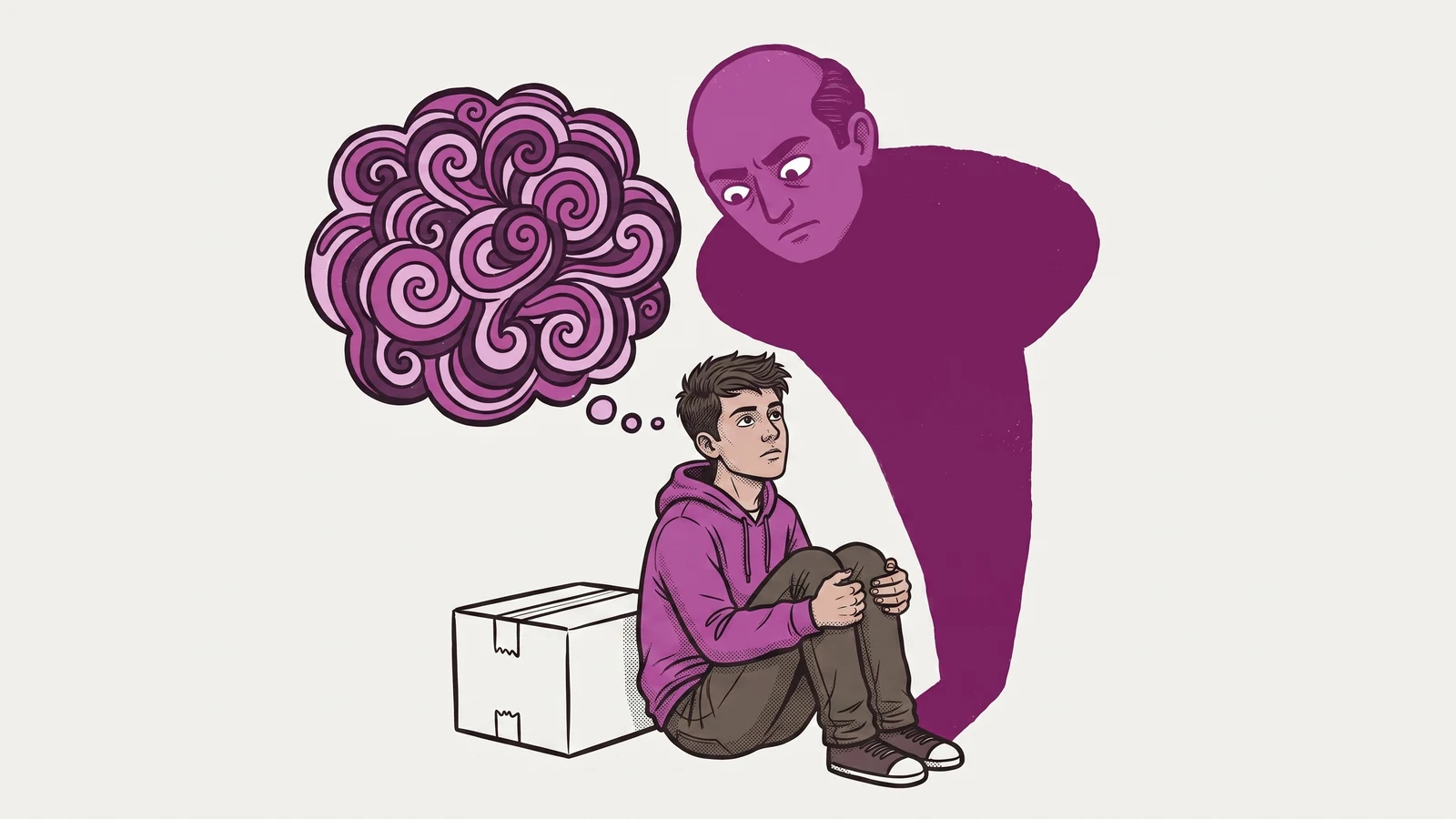
You step out of the room, and everything stops. Not because your teen can't do the work, you've seen them do harder things. It's that starting, tracking, and finishing something without someone else supplying the push is its own separate skill. And in a homeschool day, there's no bell, no teacher, no built-in structure doing that work for them. It has to come from somewhere, and right now, that somewhere is you.
Why This Shows Up More in Homeschool
A traditional school day provides external structure by default, bells, periods, teachers checking in. At home, that scaffolding doesn't exist unless someone builds it. That's not a flaw in homeschooling; it's simply a structural difference, and it means self-direction has to be taught deliberately rather than assumed to develop on its own.
Takes Initiative and Sustains Determination Are Two Different Skills
Takes Initiative is starting something without being told, noticing what needs doing and acting on it. Sustains Determination is a separate skill: continuing through the boring, frustrating middle part after the initial motivation fades. A teen can have one without the other, able to start things but not finish them, or vice versa. Knowing which one is actually missing changes what's worth practicing.
Building the Muscle Without Standing Over Them
Externally imposed structure (you standing over them) and internally built structure (them managing themselves) are different systems, and one doesn't automatically turn into the other over time. What tends to help: breaking a task into steps small enough that starting doesn't feel like a decision, building in visible checkpoints instead of constant supervision, and stepping back briefly and deliberately, even if it means the first few attempts don't go well.
Frequently asked questions
How do I help my teenager become more self-directed?
Break tasks into small enough steps that starting isn't a big decision, use visible checkpoints instead of constant supervision, and practice stepping back in small, deliberate doses rather than all at once.
Why does my teen need me to stand over them to get anything done?
Self-direction is a specific skill (Takes Initiative and Sustains Determination) that develops gradually and needs deliberate practice, especially without the external structure a traditional school day provides by default.
Is this the same as being lazy or unmotivated?
No. A teen can care deeply about an outcome and still lack the specific skill of starting and following through without external structure. Motivation and self-direction aren't the same thing.
How long does it take to build this?
It varies, but the pattern that works is small, repeated practice with real stakes, not a single conversation about responsibility. Progress tends to be gradual, not immediate.
Related Resources
From Altitude:
- Signs Your Teen Needs Life Skills Support
- Focus, Planning, and Critical Thinking: The Thought Domain
- Join the waitlist
Further Reading:
- Grit: The Power of Passion and Perseverance by Angela Duckworth. On sustained effort as a distinct, buildable skill.
- How to Raise an Adult by Julie Lythcott-Haims. On the difference between externally imposed and internally built structure.
Self-direction is buildable, not assumed. Altitude develops Takes Initiative and Sustains Determination through real, repeated practice, not a single conversation about responsibility.
Altitude opens to founding families in January 2027. Join the waitlist to be among the first families in Florida and Georgia.