

Helping Teens Build Self-Control and Think Before Acting
Self-control is the space between impulse and action, and a teen can learn to widen it. Here's how to help.
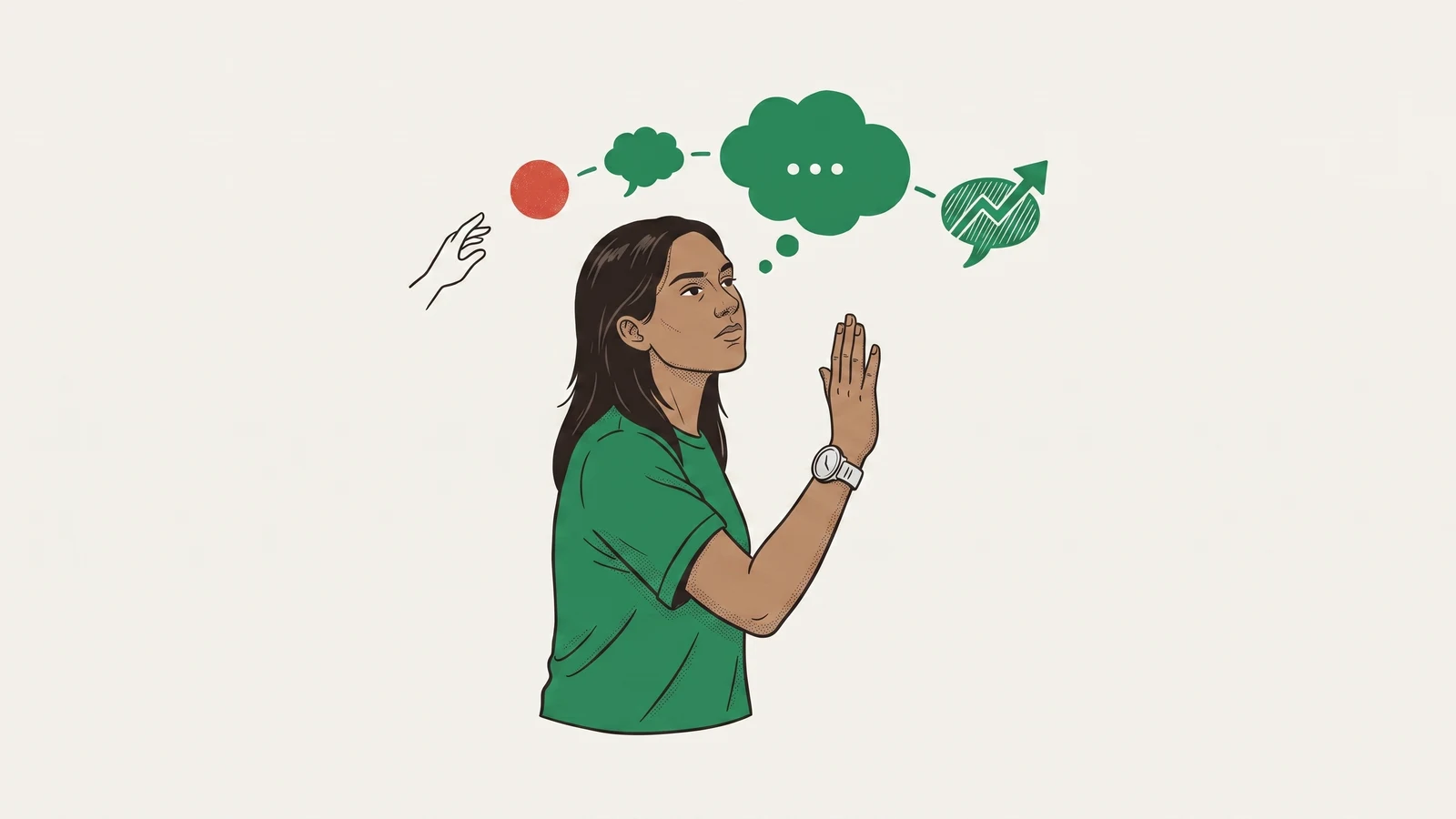
The gap between an impulse and an action is where a young person's best decisions live. Self-control isn't about suppressing who they are. It's about learning to widen that gap, so what they do reflects what they actually want, not just what they felt in the moment.
At Altitude, this is Practices Self-Control, one of seven competencies in the Thought domain. Here's how to help your teen build it.
What "Practices Self-Control" Means
Practicing self-control is pausing between impulse and action. For a young person, it looks like resisting the easy distraction, delaying an immediate want for a more important goal, and thinking before reacting, choosing a response rather than defaulting to the first one.
The word practices matters. This isn't a fixed trait; it's a skill that strengthens every time a teen chooses the pause.
Why It's Not About Being "Good"
Self-control often gets confused with compliance, a "good" kid who does what they're told. It's something better than that. Real self-control is internal: a young person managing their own impulses in service of their own goals, whether anyone's watching or not. The aim isn't obedience; it's a teen who's in the driver's seat of their own choices.
How to Build It at Home
Build the pause. Self-control lives in the gap between feeling and acting. Help your teen practice creating it (a breath, a beat, a step back) in low-stakes moments so it's available in big ones.
Let them practice delay with real stakes. Saving for something instead of buying now, finishing before the fun: these everyday choices build the muscle far better than rules do.
Model your own. Let your young person watch you resist your own impulse out loud: "I really want to fire off a reply, but I'm going to wait until I've cooled down."
Name it without shaming the slips. When your teen pauses well, name it. When they don't, skip the "how could you", curiosity ("what happened there?") builds the skill; shame shuts it down.
Frequently asked questions
How can I help my teen develop self-control?
Help them practice the pause between impulse and action in low-stakes moments, let everyday choices (saving, waiting, finishing first) build the skill with real stakes, and model your own self-control out loud. Name it when they do it well and stay curious rather than shaming when they slip.
Is a lack of self-control in teens normal?
Yes, impulse control is very much still developing in adolescence, so strong impulses and the occasional poor split-second choice are expected. The reassuring part is that self-control is a skill that strengthens with practice, which makes the teen years a productive time to build it.
What's the difference between self-control and obedience?
Obedience is doing what you're told; self-control is managing your own impulses in service of your own goals, whether or not anyone is watching. The goal isn't a compliant teen but one who can govern their own choices, a far more useful and lasting capacity.
Related Resources
From Altitude:
Self-control isn't about being good. It's about choosing your response instead of defaulting to your first one, and that gap widens every time a young person practices the pause.
Altitude opens to founding families in January 2027. Join the waitlist to be among the first families in Florida and Georgia.