

Teen Athlete Burnout: 7 Signs Your Young Athlete Needs More Than Rest
Declining performance despite more practice isn't always overtraining. Here are 7 signs your teen athlete needs more than a break from sport.
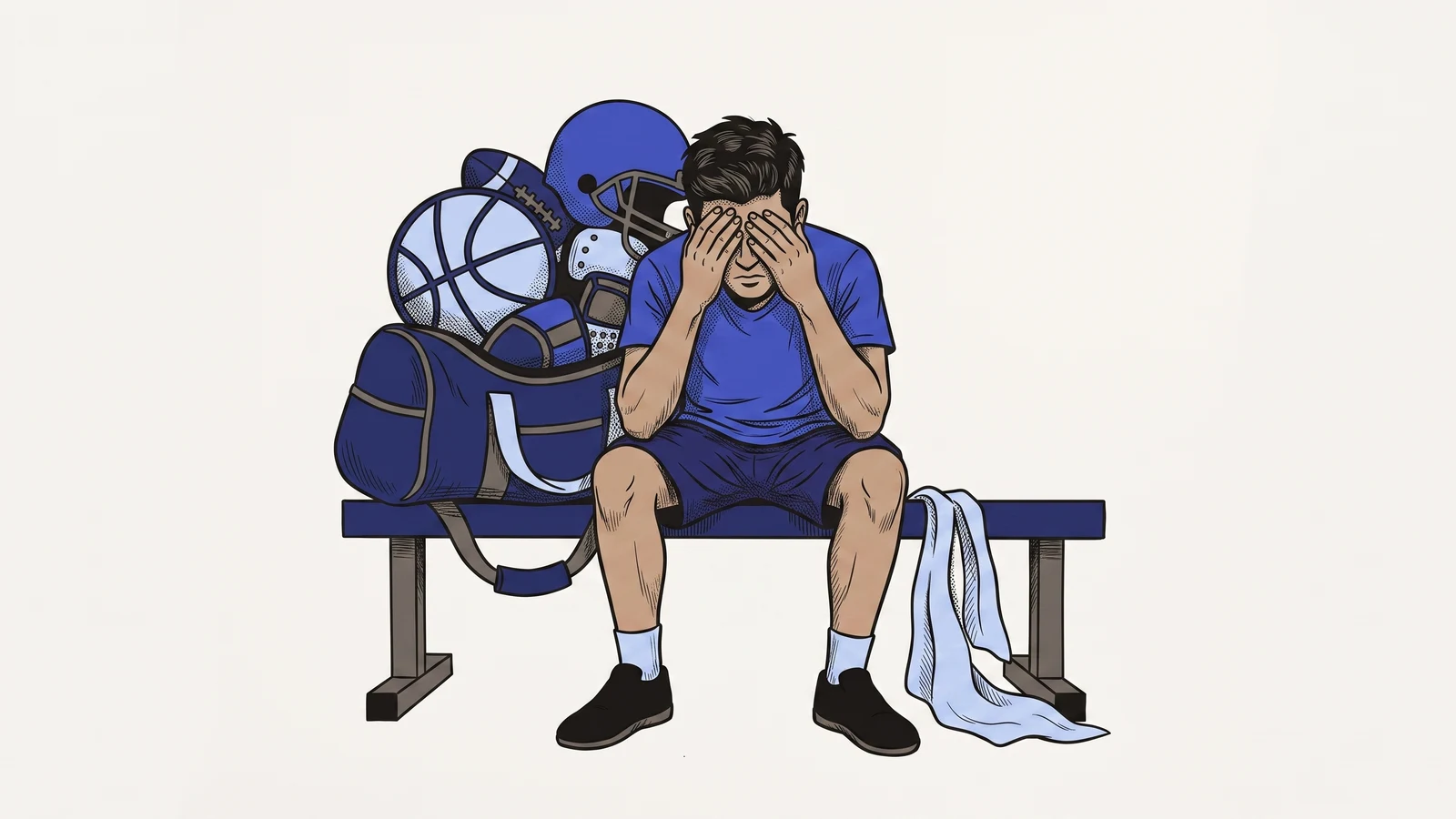
Your athlete used to run out the door for practice. Now getting them there feels like a negotiation. Performance is sliding even though nothing about the training has let up, if anything, they're doing more, not less. You've told them to rest. Rest hasn't fixed it.
7 Signs Your Teen Athlete May Be Dealing With Burnout
1. Performance is declining despite the same or more training. This is the sign that usually gets noticed first, and the one most often mistaken for "just needing to work harder."
2. The enthusiasm is gone. A teen who used to talk about their sport unprompted now treats it like an obligation. Practice becomes something to get through, not something to show up for.
3. Irritability shows up around training. Short temper before or after practice, snapping at questions about the season, a shift in mood that tracks closely with the sport calendar.
4. Sleep gets harder. Trouble falling asleep, staying asleep, or needing far more sleep than usual without feeling rested.
5. Recovery takes longer than it used to. Soreness that lingers, fatigue that doesn't lift with a normal night's rest, a body that seems to need more downtime than the schedule allows.
6. They're pulling back from teammates or friends. Skipping team activities, going quiet in group chats, less interest in the social side of the sport that used to matter to them.
7. Talk of quitting shows up more than once. A single frustrated comment after a bad game is normal. A pattern of "I don't even want to do this anymore" is worth taking seriously.
If your athlete is showing several of these (especially performance, mood, and sleep together) that's a real pattern, not a phase to push through.
When to See a Doctor First
Some signs of burnout are physical: chronic muscle or joint pain, an elevated resting heart rate, or injuries that keep recurring. Those deserve a conversation with a doctor before anything else, physical overtraining and burnout can overlap, and ruling out an injury or overtraining syndrome comes first. What Altitude addresses is the other half: the motivation, determination, and self-care side that often shows up alongside the physical signs, but isn't itself a medical question.
The Competencies Behind Recovering From Burnout
Sustains Determination (Mindset) is what's being tested when motivation runs dry. Not raw willpower, but the ability to keep showing up through a flat stretch without burning out further. Manages Stress and Pressure (Emotion) is what helps your athlete recognize the buildup before it peaks, rather than only noticing it after they've hit a wall. And Cares for Self (Identity) is the competency most burnout guides skip entirely, the ability to set real limits, rest without guilt, and treat recovery as part of performing well, not a departure from it.
Frequently asked questions
How do you prevent burnout in teen athletes?
Watch for early signs (declining performance alongside mood changes, sleep disruption, or fading enthusiasm) rather than waiting for a breaking point. Building in recovery, rest, and unstructured time before burnout sets in works better than responding after it does.
What are the signs of burnout in a young athlete?
The clearest pattern is performance decline paired with mood or motivation changes: irritability, loss of enthusiasm, sleep trouble, and pulling back from teammates. Physical signs like chronic soreness or an elevated resting heart rate can appear alongside these and warrant a doctor's input.
Is burnout the same as overtraining?
They overlap but aren't identical. Overtraining is a physical/training-load issue best evaluated by a doctor. Burnout includes emotional exhaustion and loss of motivation that can build even when training load hasn't changed dramatically.
How is this different from just needing a break?
A short slump usually resolves with rest. Burnout tends to persist even after rest, because it's tied to sustained stress and motivation, not just physical fatigue, which is why the recovery side benefits from practiced competencies, not only time off.
Related Resources
From Altitude:
- The Best Homeschool Curriculum for Student Athletes
- Mental Performance Training for Teen Athletes
- Join the waitlist
Further Reading:
- Grit: The Power of Passion and Perseverance by Angela Duckworth. On sustaining effort and motivation through flat, difficult stretches.
- The Champion's Mind by Jim Afremow, Ph.D.. Includes practical guidance on recovery as part of sustained performance, not separate from it.
If your athlete is running on empty, Altitude helps build what recovery actually requires (Sustains Determination, Manages Stress and Pressure, and Cares for Self) through the Whole Human Assessment and an Altitude Coach matched to how they learn.
Altitude opens to founding families in January 2027. Join the waitlist to be among the first families in Florida and Georgia.