

How to Teach Your Teen to Resolve Conflict
Conflict isn't the problem, avoiding it or exploding through it is. Here's how to teach your teen to work through disagreements.
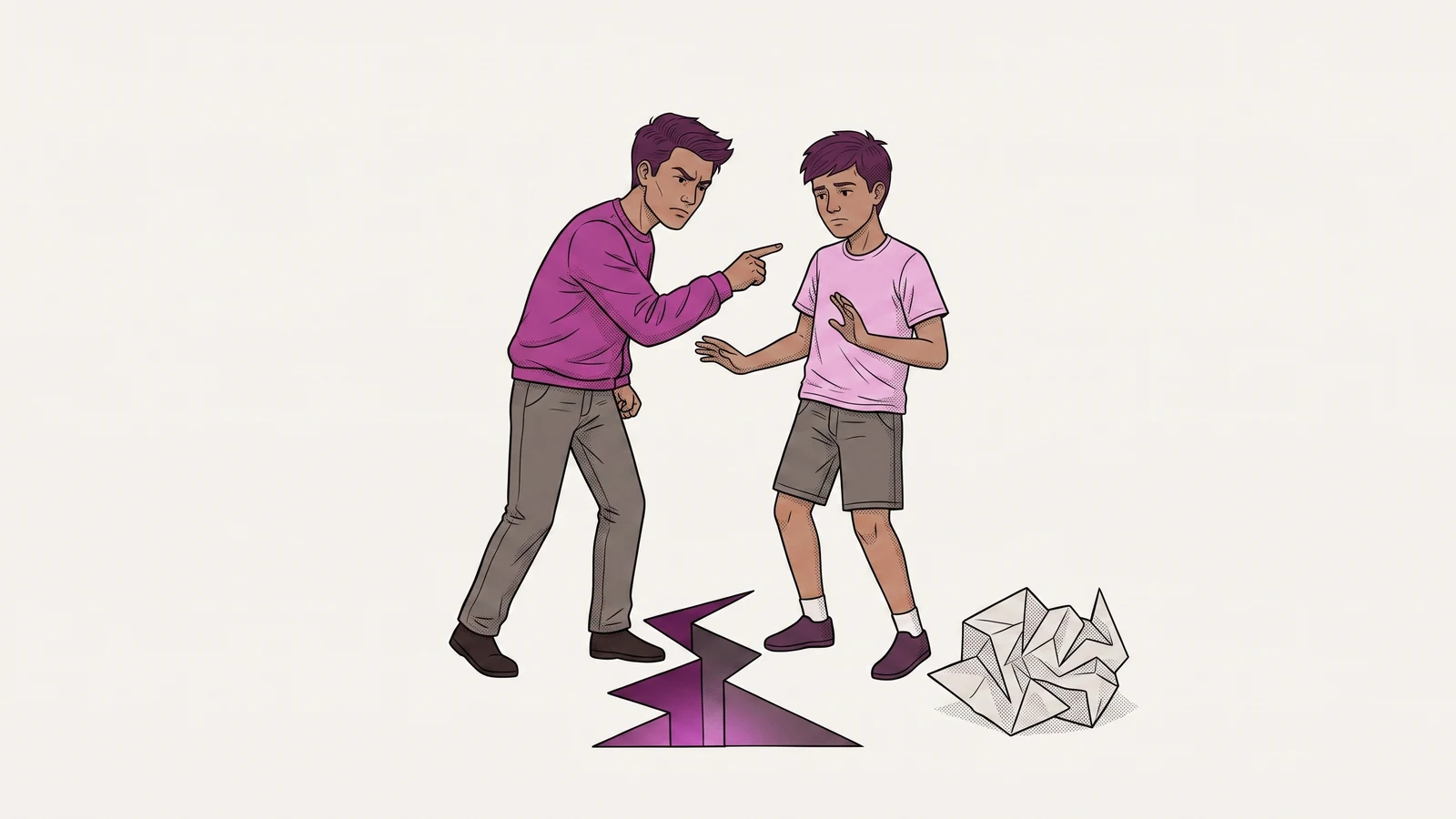
Conflict itself was never the problem. Avoiding it until it festers, or exploding through it and leaving wreckage, that's the problem. The skill in between is working through a disagreement in a way that respects everyone and keeps the relationship intact.
At Altitude, this is Resolves Conflicts, one of six competencies in the Social domain. Here's how to help your teen build it.
What "Resolves Conflicts" Means
Resolving conflict is working through disagreements in a way that respects everyone involved. For a young person, it looks like staying calm in a tense moment, hearing the other side, looking for a solution instead of a win, and repairing a relationship after friction rather than letting it quietly rot.
The goal isn't a teen who never has conflict, that's neither possible nor healthy. It's a young person who can move through conflict and come out the other side with the relationship intact, or even stronger.
Why Avoiding Conflict Backfires
Many young people land in one of two ditches: the avoider, who goes quiet and lets resentment build, and the steamroller, who has to win every disagreement. Neither resolves anything, the avoider's issues pile up unspoken, the steamroller's relationships wear thin. The skill worth building sits between them: standing up for yourself and respecting the other person. Firm and kind at the same time.
How to Build It at Home
Don't referee every disagreement. When you settle your teen's conflicts for them, they don't build the skill. Coach from the sideline instead of jumping onto the field.
Name the actual problem. Teach the habit of pausing to ask, "What are we actually disagreeing about?" Conflicts balloon when no one names the real issue.
Coach the repair. The conversation after a blow-up ("How could you make that right?") is where the relationship gets rebuilt. Repair is a skill, and it's teachable.
Model your own conflict repair. Let your young person see you disagree with someone respectfully, and apologize when you're wrong. That's the most powerful lesson available.
Keep the hard ones off screens. A real disagreement handled by text rarely ends well. Encourage your teen to have the important conversations face to face.
Frequently asked questions
How do I teach my teen conflict resolution?
Coach from the sideline rather than refereeing their disagreements, teach them to name the actual problem before reacting, and help them practice the repair conversation after a blow-up. Model respectful disagreement yourself, and encourage them to handle the important conflicts face to face rather than over text. The skill grows through guided practice on real conflicts.
Why does my teen avoid conflict entirely?
Conflict avoidance is common, disagreements feel high-stakes in adolescence, and going quiet can seem safer than confrontation. The issue is that avoided conflict tends to build into resentment. Helping a young person see that they can address a disagreement while staying respectful (firm and kind at once) gives them a safer alternative than silence.
What if my teen escalates every disagreement into a fight?
A young person who steamrolls usually hasn't yet learned that they can stand up for themselves without having to win. Coaching the pause ("what's the actual problem?"), modeling respectful disagreement, and naming the goal as a solution rather than a victory all help shift escalation into resolution.
Related Resources
From Altitude:
Conflict isn't the problem. Avoiding it or exploding through it is, and a young person who learns to work through a disagreement, firm and kind at once, has a skill they'll use in every relationship for life.
Altitude opens to founding families in January 2027. Join the waitlist to be among the first families in Florida and Georgia.