

How the Six Domains Work Together: Why Your Teen Needs All of Them
Developing some domains while neglecting others creates real gaps. Here's how Altitude's six domains are interdependent, and what's missing when only some are built.
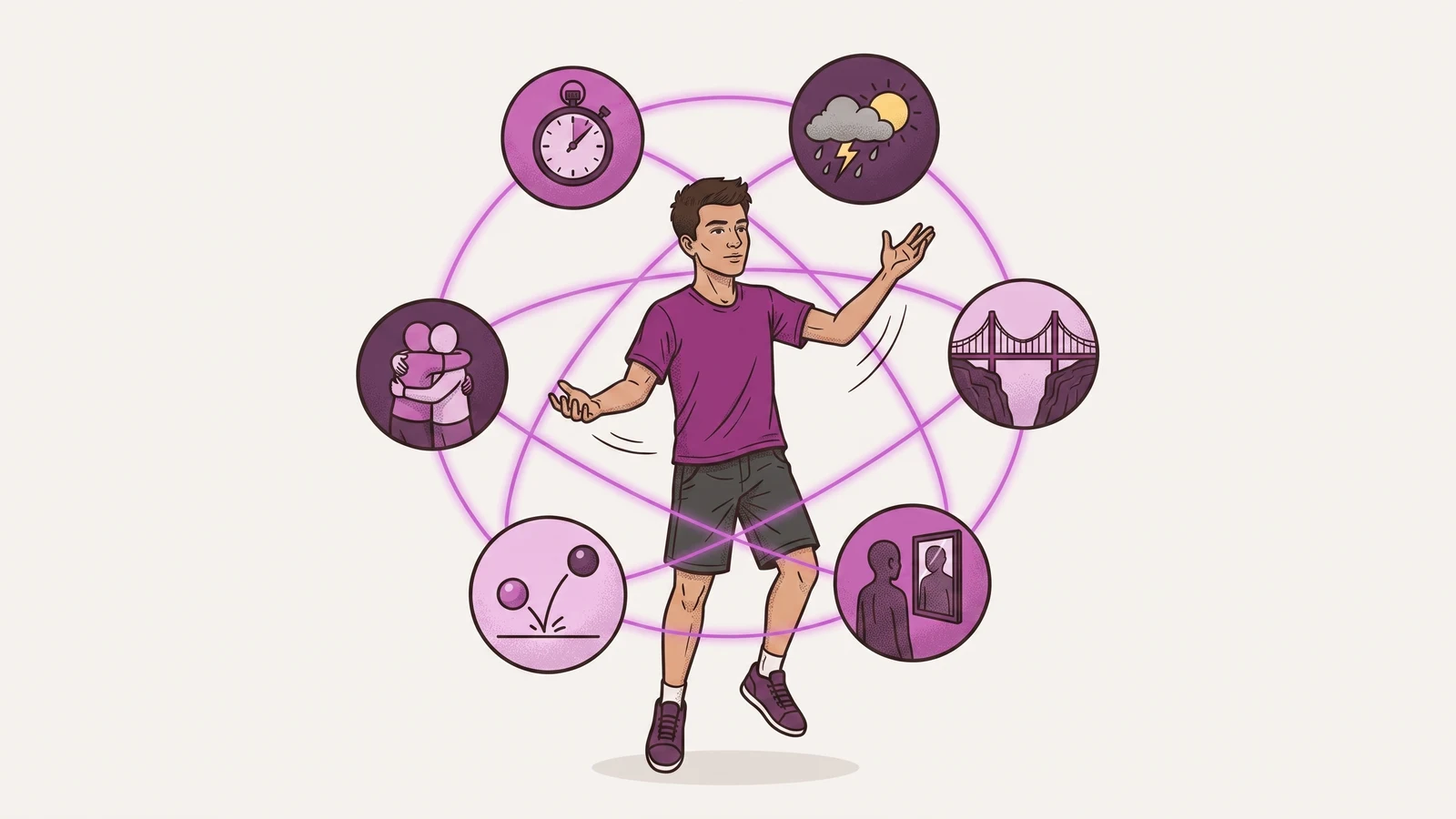
Imagine a teen who is emotionally intelligent. They can name what they're feeling, manage a difficult moment, and empathize with a friend who's struggling. These are real strengths, meaningful ones. Now imagine the same teen has no clear sense of what they value, no framework for who they're becoming, and no capacity to stay with something hard when motivation fades.
That teen has two domains developed. Four others that aren't. And the gaps show up in exactly the moments that matter.
This is why whole-human development covers all six, not because the number is arbitrary, but because each domain depends on the others.
What the Six Domains Are
The Whole Human Framework organizes development into six domains:
- Thought: focus, planning, critical and creative thinking, follow-through
- Emotion: understanding and regulating feelings, empathy, managing stress
- Social: communication, conflict resolution, relationships, collaboration, leadership
- Values: integrity, excellence, contribution, curiosity
- Mindset: optimism, adaptability, engagement, determination
- Identity: self-knowledge, self-belief, purpose, self-care
Each domain holds specific, buildable competencies, 31 in total across the six. And each domain connects to the others in ways that become visible when one is missing.
What Happens When Domains Are Out of Balance
Three patterns that show up when some domains develop without others:
Strong Emotion, Underdeveloped Mindset
A teen who understands and manages emotions well but lacks the mindset competencies (particularly Sustains Determination and Demonstrates Adaptability) may be self-aware but brittle. They know what they're feeling when something gets hard. What they can't do is stay with the hard thing.
Emotional intelligence tells a teen what they're experiencing. Mindset determines what they do with it. Without both, the self-awareness doesn't translate into forward movement.
Strong Values, Underdeveloped Identity
A teen who has developed strong values (they act with integrity, they care about excellence, they want to contribute), but has little clarity about who they are or what gives their life direction, will often feel unmoored. They know how to act but not who they're acting as.
Values without Identity is motivation without direction. The care is real; the compass isn't there yet. Identity (particularly Knows Self and Lives with Purpose) gives the values somewhere to point.
Strong Thought, Underdeveloped Social
A teen who thinks critically, plans well, and follows through has real capacity. But if the Social domain is underdeveloped, if they struggle to read what's happening in a conversation, resolve a conflict, or work well alongside others, that cognitive strength hits a ceiling. Most meaningful work in adulthood happens with and through other people.
Thought without Social is capability without connection. The ideas are there; the ability to land them with other people isn't.
Why the Domains Reinforce Each Other
The six domains aren't just six separate things. They interact, which means development in one creates conditions for growth in the others.
A teen who develops Knows Self (Identity) has a clearer starting point for Believes in Self and Growth (Identity) and Lives with Purpose (Identity). Knowing who you are makes it easier to believe in your capacity to grow and to find what gives your effort meaning.
A teen who develops Regulates Emotions (Emotion) is better positioned to practice Resolves Conflicts (Social), because staying steady in a tense moment is what makes a constructive conversation possible. Emotional regulation isn't just personal; it's the foundation of how someone shows up in relationships.
A teen who develops Sustains Determination (Mindset) has more capacity to build Plans and Completes (Thought), because the persistence to follow through on a plan draws on exactly the mindset the determination competency develops.
Development compounds when it's connected. That's what a six-domain framework makes possible that isolated life skills development never does.
This Isn't About Doing Everything at Once
Whole-human development across six domains doesn't mean working on all 31 competencies simultaneously. It means building a path that doesn't systematically leave domains behind.
Your teen starts with the Whole Human Assessment, a per-competency profile across all 31 competencies. The results show where they're already strong and where they have the most room to grow. Their development path is then sequenced to start from their strengths, build momentum, and move across domains in a way that makes sense for who they are today.
No two teens follow the same path. But every path is built to develop the whole person, not just the parts that are already easy.
Frequently asked questions
Why does whole-child development need all six domains?
Because the domains are interdependent. Emotional intelligence without mindset can leave a teen self-aware but unable to persist. Values without identity creates motivation without direction. Thought without social development hits a ceiling in any collaborative context. Development in one domain creates conditions for growth in others, which means leaving any domain systematically undeveloped creates real gaps that show up in the moments that matter.
What happens when teens only develop some domains?
The gaps show up in context-specific ways. A teen who's emotionally aware but lacks determination may understand their frustration but can't stay with hard things. A teen with strong values but underdeveloped identity may act with integrity but feel directionless. A teen who thinks critically but struggles socially hits a ceiling when meaningful work requires collaboration. These aren't character flaws. They're developmental gaps that whole-human development is built to address.
How do the six domains of development work together?
The domains connect and reinforce each other. Self-knowledge (Identity) creates conditions for self-belief (Identity) and purpose (Identity). Emotional regulation (Emotion) enables conflict resolution (Social). Determination (Mindset) supports follow-through (Thought). Development compounds when it's connected, which is why building across all six is more than the sum of six separate efforts.
Does my teen need to develop all 31 competencies?
The goal isn't to develop all 31 simultaneously. It's to build a path that doesn't leave domains behind. Your teen's Whole Human Assessment shows where they're strongest and where they have the most room to grow. Their development path is sequenced from there, building across domains in an order that makes sense for their specific profile.
Is any domain more important than the others?
No. The domains interact in both directions, which means a deficit in any one creates limitations that show up across the others. The Whole Human Assessment is designed to surface your teen's unique profile, not to rank the domains in importance. Where to start depends on your teen's strengths and growth areas, not on a fixed hierarchy.
Related Resources
From Altitude:
Six domains. Not because the number is tidy, but because development in any one depends on what's happening in the others. The whole human is more than the sum of its parts, and that's exactly what Altitude is built to develop.
Altitude opens to founding families in January 2027. Join the waitlist to be among the first families in Florida and Georgia.