

How to Raise a Teen Who Gives Back
Contribution isn't service hours to check off. It's learning to see beyond yourself. Here's how to raise a teen who gives back.
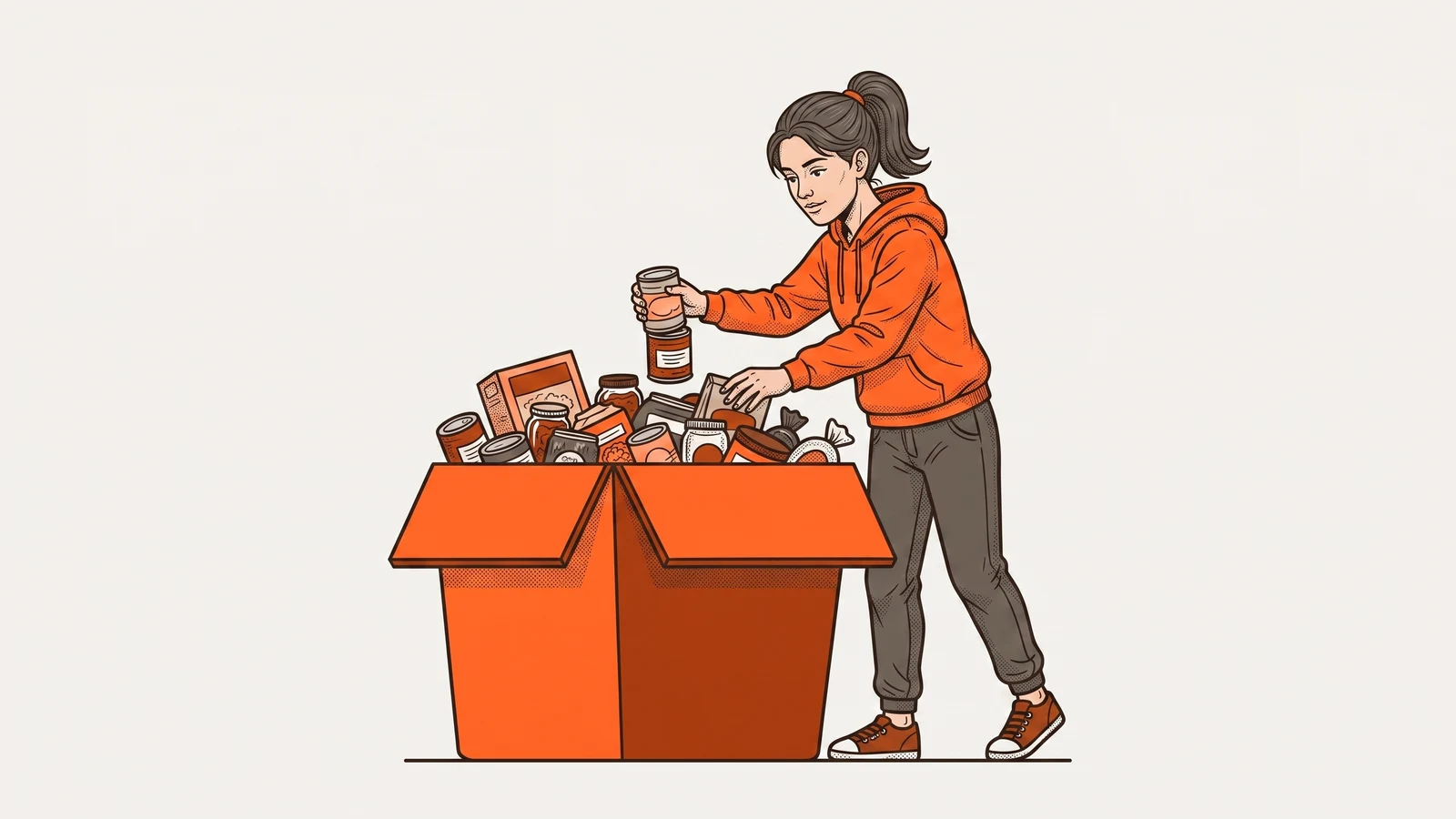
Contribution isn't a stack of service hours to check off for an application. At its heart, it's a young person learning to see beyond themselves, to notice what others need and add something to the world around them.
At Altitude, this is Contributes to Community, one of five competencies in the Values domain. Here's how to help your teen build it.
What "Contributes to Community" Means
Contributing to community is looking beyond oneself and adding value to others. For a young person, it looks like noticing needs around them, giving time or effort to something bigger than their own interests, and beginning to see themselves as part of a community they help shape, rather than just move through.
The word community is broad here: it's the family, the neighborhood, a team, a cause. Contribution starts close to home long before it looks like organized volunteering.
Why It's More Than Volunteer Hours
There's a version of "giving back" that's purely transactional, hours logged for a résumé, service done because it's required. That has its place, but it's not the competency. Real contribution is the internal shift from "what do I need?" to "what's needed here, and what can I offer?" A young person who makes that shift contributes everywhere, with or without a requirement, because they've come to see themselves as someone who adds to a community rather than just takes from it.
How to Build It at Home
Start with real contribution inside the family. Contributing to the household (genuinely, not as a chore checklist) is where a young person first learns they have something to offer others.
Find causes they actually care about. Contribution sticks when it connects to something a teen genuinely cares about, animals, the environment, younger kids, a sport. Help them find their own, rather than assigning yours.
Connect their strengths to others' needs. A teen who's good with little kids, or with computers, or with words has something specific to give. Pointing to that link ("you could really help with that") makes contribution feel meaningful, not generic.
Model it without making it a lecture. Let your young person see you show up for others (a neighbor, a friend, a cause) as a normal part of life.
Frequently asked questions
How do I teach my teen to give back?
Start with genuine contribution inside the family, help them find causes they actually care about rather than assigning yours, and connect their specific strengths to real needs so it feels meaningful. Model showing up for others yourself. Contribution grows from an internal shift toward noticing what's needed, which takes root far more deeply than logged service hours.
My teen seems self-centered, is that normal?
A degree of self-focus is developmentally normal in adolescence, as young people work out their own identity. It's usually not a character problem. The capacity to look outward is still there and grows with opportunity. Real chances to contribute, especially connected to things they care about, tend to draw it out far better than guilt or pressure.
What are meaningful ways for teens to contribute?
The most meaningful contribution connects a young person's genuine interests and strengths to a real need, tutoring younger kids, helping at something they love, contributing to the household, supporting a cause they care about. What matters is that it's genuine and connected to them, not just hours logged for an application.
Related Resources
From Altitude:
Contribution isn't service hours to check off. It's learning to see beyond yourself, and a young person who makes that shift carries it into every community they're ever part of.
Altitude opens to founding families in January 2027. Join the waitlist to be among the first families in Florida and Georgia.