

How to Help Your Teen Understand and Name Their Emotions
Understanding emotions is a buildable skill, not a personality trait. Here's how to help your teen recognize, name, and make sense of what they feel.
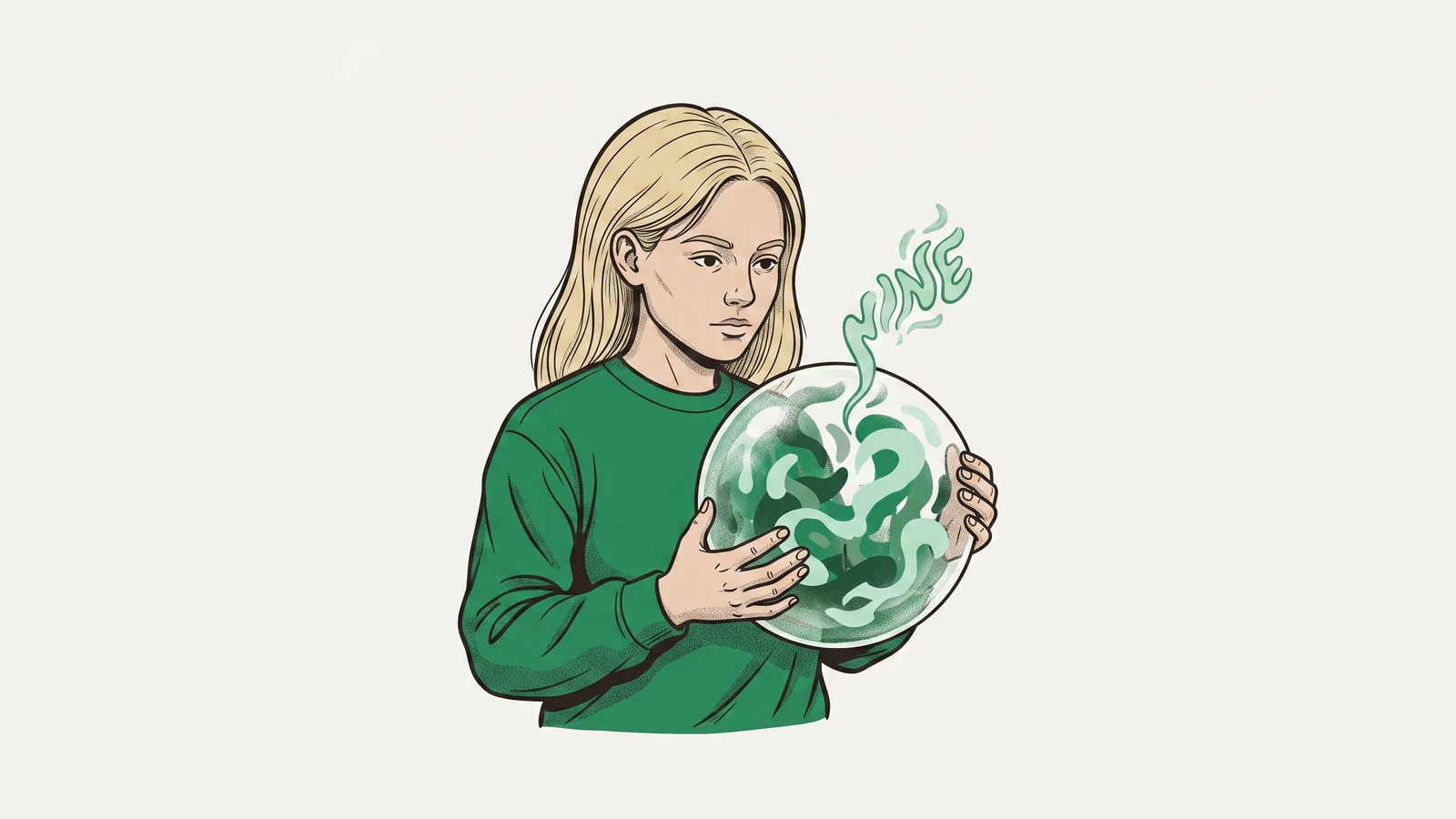
"I don't know, I'm just mad."
If you've heard some version of that from your teen, you've spotted the starting line for one of the most useful skills they can build: the ability to understand and name what they're actually feeling. It sounds simple. It isn't, and it's not something most young people are ever taught directly.
At Altitude, this is a specific competency called Understands Emotions, one of four in the Emotion domain. And like every competency, it's buildable. Here's what it is and how to help your teen develop it at home.
What Does "Understands Emotions" Actually Mean?
Understanding emotions means noticing and making sense of what you and others feel. It's the ability to read emotional signals, your own and other people's, name them accurately, and connect them to what's actually going on.
For a teen, building this competency looks like:
- Naming feelings precisely: using words that fit, like "disappointed" or "frustrated," instead of defaulting to "fine" or "mad."
- Noticing more than one feeling at once: recognizing they can be proud and embarrassed at the same time.
- Separating the feeling from the action: knowing that feeling angry doesn't have to mean acting on it.
- Understanding where feelings come from: connecting an emotion to the event that sparked it.
- Reading other people: sensing when someone's upset from their tone or body language, even when they don't say so.
That last point matters: understanding emotions isn't only inward-facing. It's the foundation for empathy, communication, and nearly every relationship your teen will have.
Why This Skill Matters So Much in the Teen Years
You can't manage what you can't name. Understanding emotions is the first step that makes everything else in the Emotion domain possible, regulating feelings, handling stress, showing empathy. A teen who can accurately identify what they're feeling has more control over how they respond to it.
It also helps in quieter ways. When a young person can name what's happening inside them, they're less likely to be hijacked by a feeling they don't understand, better able to explain themselves to the people around them, and more able to make a thoughtful choice instead of a reactive one. The vocabulary itself becomes a tool.
How to Help Your Teen Build It at Home
Homeschool families have a real advantage here: you're present for the actual emotional moments, not a version managed for a classroom. A few ways to help:
Name your own emotions out loud. Model the vocabulary: "I'm feeling stretched thin today, so I'm going to take a few minutes." When naming feelings is normal in your home, your teen picks it up.
Build a richer feelings vocabulary. Most teens operate with a handful of emotion words. Gently widen the range, the difference between "annoyed," "frustrated," and "resentful" gives them more precise tools for what they're actually experiencing.
Reflect feelings back without fixing. When your teen is upset, try naming what you see: "It sounds like you felt left out when that happened." You're not solving it. You're helping them connect the feeling to its source.
Normalize mixed feelings. Point out when two things are true at once: "It makes sense to be excited about the move and sad about leaving, both can be real." This builds the nuance the competency depends on.
Separate the feeling from the behavior. Reinforce that all emotions are okay, but not all expressions of them are. "It's fine to be furious. It's not fine to slam the door on your sister." That distinction is the bridge from understanding emotions to managing them.
Frequently asked questions
How do I help my teen understand their emotions?
Start by naming emotions out loud yourself, building a wider feelings vocabulary together, and reflecting back what you notice ("it sounds like that frustrated you") without rushing to fix it. The goal is to help your teen connect what they feel to why they feel it, a skill that grows with everyday practice, not a single conversation.
Why can't my teenager identify their emotions?
It's common and usually not a problem, naming emotions accurately is a skill that's still developing in adolescence, when feelings also happen to be getting bigger and more complex. Many teens simply haven't been taught the vocabulary or had it modeled. With practice noticing and naming feelings, it improves.
What's the difference between understanding emotions and managing them?
Understanding emotions is recognizing and naming what you feel; managing them is choosing how to respond. Understanding comes first. It's hard to regulate a feeling you can't identify. They're two distinct competencies in Altitude's Emotion domain, built in sequence.
How can I help my teen name their feelings without it feeling forced?
Weave it into normal life rather than making it a lesson. Share your own feelings at dinner, notice emotions in movies or books, and reflect back what you observe in low-stakes moments. The aim is to make naming feelings an ordinary part of how your family talks, not a formal exercise.
Related Resources
From Altitude:
When your teen can move from "I'm just mad" to "I'm actually disappointed, and a little embarrassed", that's the competency growing. It's the quiet foundation everything else in their emotional life is built on, and it develops a little every time you name a feeling together.
Altitude opens to founding families in January 2027. Join the waitlist to be among the first families in Florida and Georgia.