

How to Help Your Teen Regulate Their Emotions
Emotional regulation is a skill your teen can build, not a switch they flip. Here's how to help them pause, choose a response, and stay in charge of strong feelings.
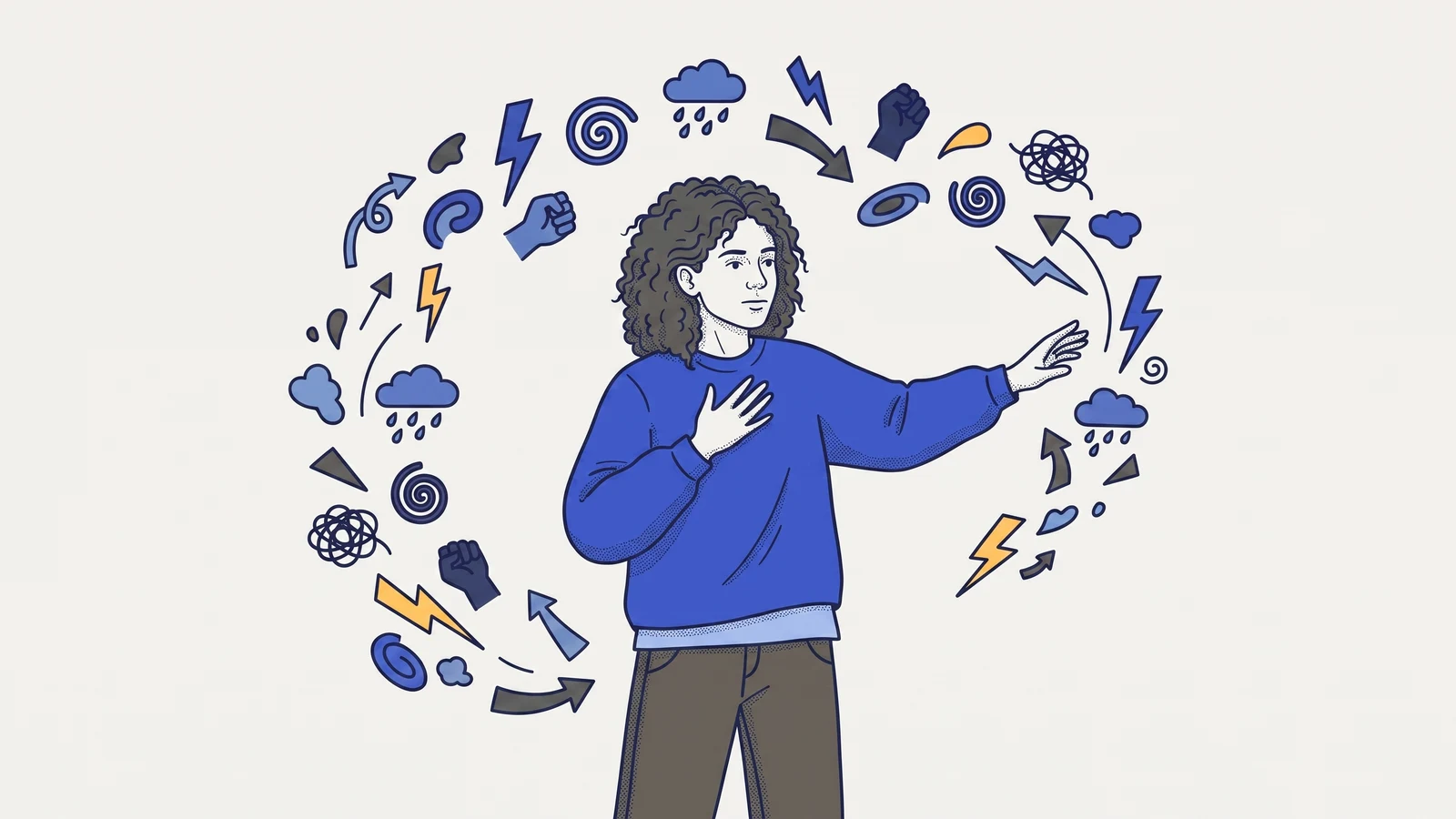
"Calm down" has never once helped a person calm down. If you've watched it bounce off your teen mid-storm, you already know the problem: regulation isn't a switch they flip on command. It's a skill, and like every skill, it's built in the quiet moments, not demanded in the loud ones.
At Altitude, this is the competency Regulates Emotions, one of four in the Emotion domain. It builds directly on understanding emotions: once a young person can name what they feel, regulation is learning to choose what to do with it. Here's how to help.
What "Regulates Emotions" Actually Means
Regulating emotions means managing feelings and choosing how to respond, especially when those feelings are strong. For a young person, building this competency looks like pausing before reacting, staying steady in a heated moment, expressing frustration in a way that's firm but not explosive, and coming back to calm after being upset.
One thing it is not: suppressing emotions. A teen who stuffs everything down isn't regulating. They're hiding. Real regulation keeps the feeling and chooses the response. The goal isn't a young person who never gets angry; it's one whose anger doesn't make their decisions for them.
Why This Is the Competency Everything Hinges On
Regulation is where emotional intelligence becomes visible. A teen can understand exactly what they feel and still come apart if they can't manage it. When this competency grows, you see it everywhere: fewer reactions they regret, more space between trigger and response, and a young person who can stay in a hard conversation instead of detonating or fleeing.
It's also the competency that protects relationships. The pause before the sharp reply, the choice to step away instead of slam a door, that's regulation doing quiet work in every interaction.
How to Help Your Teen Build It at Home
Drop "calm down" entirely. It names the goal without giving a tool. Replace it with something actionable: "Let's take a walk," or "Want a minute before we keep talking?"
Build the pause. Regulation lives in the gap between feeling and acting. Help your teen practice creating it (a breath, a step back, a few seconds) when things are calm, so the skill is available when things aren't.
Teach the feeling/behavior split. Reinforce it plainly: every emotion is allowed; not every expression is. "It's fine to be furious. It's not fine to say something you can't take back." That line is the heart of regulation.
Reflect after the storm, not during it. Mid-meltdown, no skill is being learned. Later, when everyone's steady: "What were you feeling? What worked to come back down? What might help next time?"
Model it yourself. Let your teen watch you regulate out loud: "I'm frustrated, so I'm going to take a minute before I respond." Your regulation is the most powerful lesson in the house.
Start from strength. Maybe your teen recovers quickly but reacts fast, or rarely blows up but bottles things. Build from what already works.
Frequently asked questions
How do I help my teen regulate their emotions?
Help them build the skill when they're calm, not in the middle of an outburst. Replace "calm down" with concrete options like stepping away or taking a breath, reinforce that all feelings are okay but not all expressions are, and reflect together after a hard moment about what helped. Regulation grows through repeated practice and your own modeling, not through being told to feel differently.
What is emotional regulation for teens?
Emotional regulation is a young person's ability to manage their feelings and choose how to respond, especially when emotions run high. It's pausing before reacting and expressing emotions in honest but non-harmful ways. It isn't suppressing or hiding feelings. It's staying in charge of how they come out.
How do I help my teen calm down in the moment?
Offer a tool rather than a command. A short walk, a few slow breaths, stepping into another room, or simply naming the feeling can all help bring the intensity down. The key is to practice these when your teen is calm so they're familiar and available when emotions spike, and to stay calm yourself, since your steadiness helps regulate theirs.
Is it bad if my teen suppresses their emotions?
Suppressing isn't the same as regulating. A young person who consistently pushes feelings down may look calm but isn't actually managing emotions in a healthy way. Real regulation acknowledges the feeling and chooses a constructive response, so it's worth gently encouraging expression alongside control.
Related Resources
From Altitude:
When your teen pauses instead of erupting (even once) that's the competency growing. Regulation isn't built in the storm. It's built in all the calm moments you practice before it.
Altitude opens to founding families in January 2027. Join the waitlist to be among the first families in Florida and Georgia.