

How to Help Your Teen Practice Genuine Gratitude
Forced gratitude doesn't stick, but genuine appreciation is a practice that changes how your teen sees their life. Here's how to teach it.
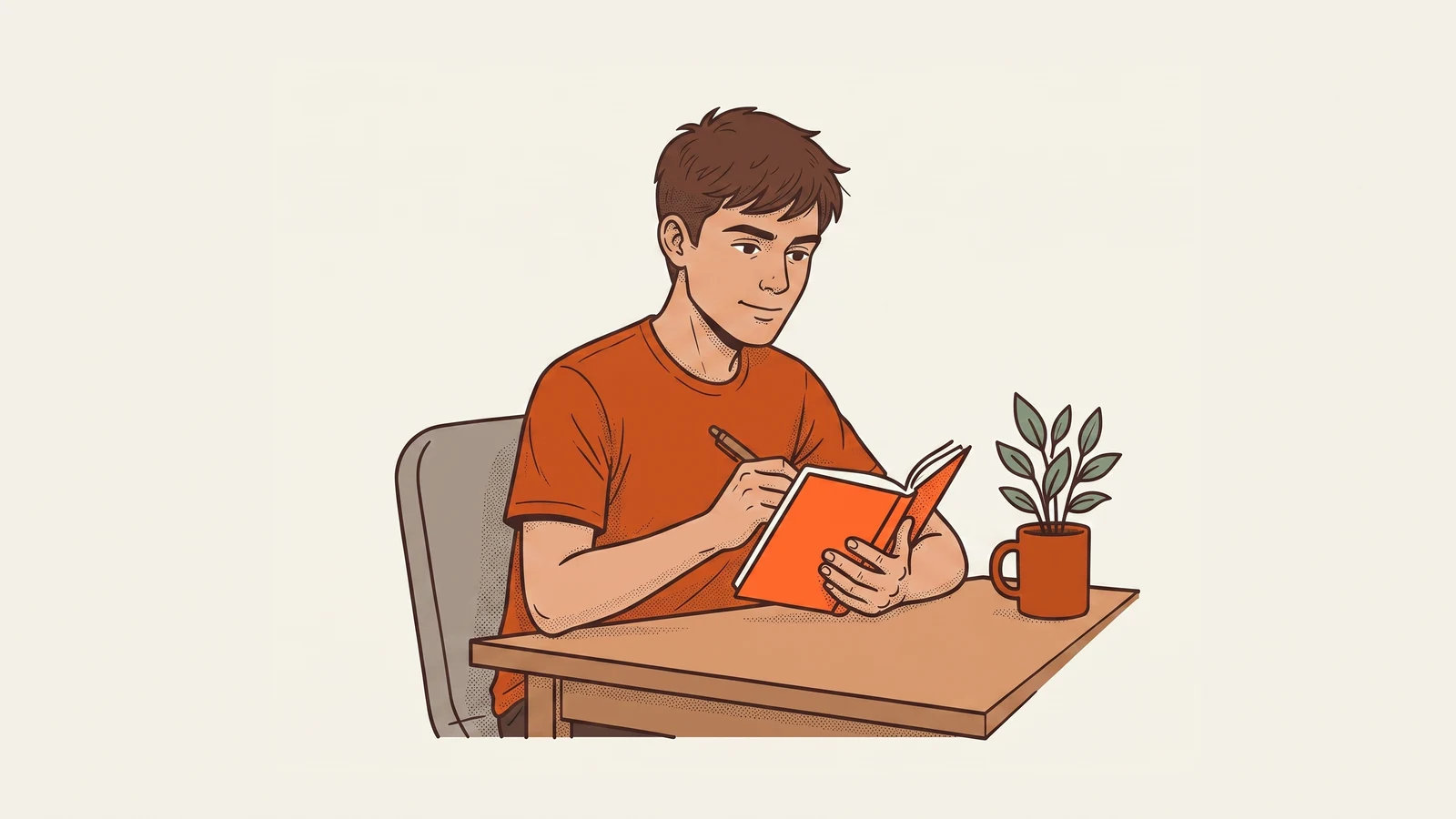
Forced "say thank you" gratitude doesn't stick. But genuine gratitude (actually noticing what's good) is a practice, and over time it changes how a young person sees their whole life.
At Altitude, this is Practices Gratitude, one of five competencies in the Mindset domain. Here's how to help your teen build it for real.
What "Practices Gratitude" Means
Practicing gratitude is noticing and appreciating what's good. For a young person, it looks like recognizing what's going well even on an off day, acknowledging the people and circumstances that support them, and letting appreciation (rather than only what's missing) shape how they see their life.
The word practices is the point. Gratitude isn't a one-time feeling; it's a habit of attention that strengthens the more it's used.
Why Forced Gratitude Backfires
There's a version of gratitude that's really just compliance, a teen saying thanks because they have to, or being reminded how much they have when they're upset. That tends to breed resentment, not appreciation. Genuine gratitude is a practice a young person grows into, not a performance demanded of them. And it should never be used to wave away real feelings: "be grateful, others have it worse" shuts a teen down rather than opening them up. The goal is appreciation that coexists with honesty about what's hard.
How to Build It at Home
Model real gratitude, not rote thanks. Let your young person hear you genuinely appreciate something specific, not a reflexive "thanks" but "I'm really glad we got that evening together."
Make noticing the good a low-key habit. A simple round of "one good thing from today" at dinner builds the practice without it feeling forced.
Connect it to specific people. Gratitude lands deeper when it's aimed at someone: "Who made your day a little better today?"
Keep it genuine, never a guilt tool. Let appreciation sit alongside honesty about hard things, rather than canceling it out.
Frequently asked questions
How do I teach my teen gratitude?
Model genuine, specific appreciation rather than rote thanks, build a low-key habit of noticing what's good (like "one good thing from today" at dinner), and connect gratitude to specific people. Keep it authentic and never use it to dismiss real feelings, gratitude grows as a practice a young person grows into, not a performance demanded of them.
Why does forcing my teen to be grateful seem to backfire?
Because forced gratitude feels like compliance, not appreciation, and using it to minimize their problems ("others have it worse") tends to shut a teen down. Genuine gratitude grows through modeling and low-pressure habit, and it works best when it coexists with honesty about what's actually hard.
What's a simple way to build gratitude as a family?
A short, regular round of sharing one good thing or one person you appreciated that day (at dinner or in the car) is one of the simplest and most durable practices. It keeps the habit genuine and shared rather than turning it into an assignment.
Related Resources
From Altitude:
Forced "say thank you" doesn't stick. Noticing what's actually good does, and every genuine moment of appreciation helps your teen build the practice.
Altitude opens to founding families in January 2027. Join the waitlist to be among the first families in Florida and Georgia.