

How to Help Your Teen Improve Focus and Attention
Focus is a skill your teen can build, not a fixed trait. Here's how to help them direct and hold their attention, at home.
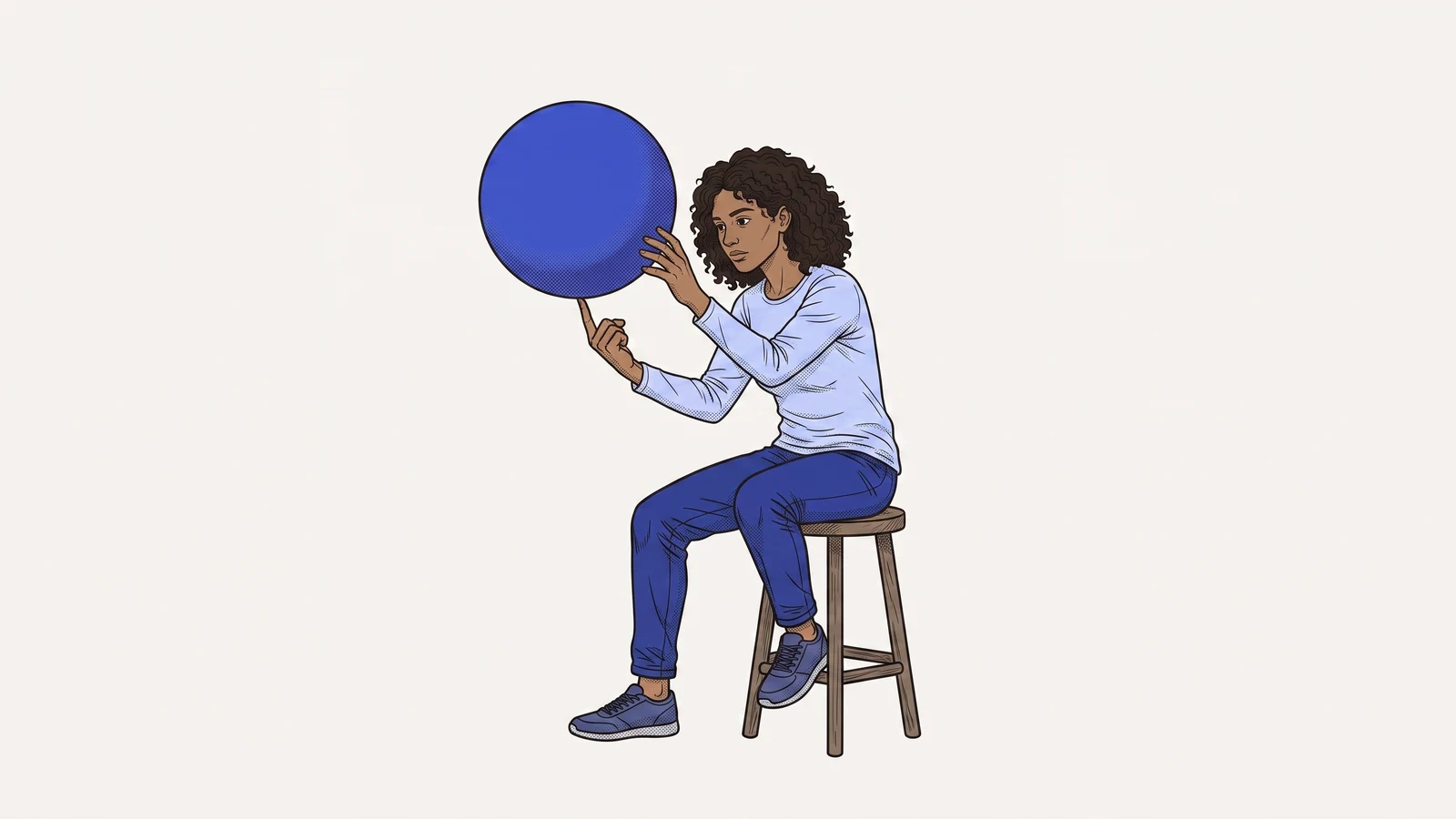
Your teen can focus for six hours on something they love and six minutes on something they don't. So focus isn't really missing. It's unbuilt and undirected. The good news: directing attention on purpose is a skill, and like every skill, it can be strengthened.
At Altitude, this is the competency Focuses, one of seven in the Thought domain. Here's what it means and how to help your young person build it.
What "Focuses" Means
Focusing means directing and holding attention where it's needed. For a young person, building this competency looks like settling into a task, noticing when their mind has wandered and bringing it back, and filtering out distractions long enough to do something well rather than just quickly.
Notice what it's not: an on/off trait a teen either has or lacks. Attention is trainable, and adolescence (with its many competing pulls) is exactly when learning to direct it pays off.
Why It's a Life Skill, Not Just a Study Skill
It's tempting to think of focus as something needed for schoolwork. But the ability to give sustained attention to what matters shows up everywhere: finishing a project they care about, being present in a conversation, learning a craft, sticking with something hard long enough to get good at it. A young person who can direct their attention has a tool they'll use for life, far beyond any assignment.
How to Build It at Home
Protect blocks of deep focus. Attention strengthens with use. Create stretches of uninterrupted time on a single thing, and guard them from the constant ping of notifications.
Reduce ambient distraction together. Rather than policing, problem-solve as a team: where does focus break down, and what would help? A teen who designs their own focused space owns it.
Model single-tasking. Let your young person see you do one thing at a time. Focus is caught as much as taught.
Let boredom exist. Constant stimulation trains attention to crave novelty. Unfilled time (boredom) is where the capacity for sustained attention quietly rebuilds.
Start from where focus already flows. Notice what your teen can focus on deeply, and use it as proof and pattern: "You gave that your full attention, that's the same muscle."
Frequently asked questions
How can I help my teen focus better?
Protect blocks of distraction-free time, problem-solve their environment together rather than policing it, model single-tasking yourself, and allow boredom so attention isn't always chasing stimulation. Build from what they can already focus on deeply. It shows the capacity is there and can be directed elsewhere.
Why can't my teen focus on some things but not others?
This is normal and usually reassuring: a young person who can focus intensely on something they enjoy clearly has the capacity for attention. The skill being built is directing that attention to things that matter even when they're less immediately engaging, which grows with practice.
Is my teen's focus problem caused by screens?
Constant notifications and rapid stimulation can make sustained attention harder for anyone, teens included. Reducing ambient distraction and protecting unstructured, screen-free time often helps. If focus difficulties are significant and persistent across all settings, it can be worth a conversation with a qualified professional.
Related Resources
From Altitude:
Focus isn't something your teen lacks. It's something they haven't been helped to direct, and every block of protected, single-tasked attention builds it a little more.
Altitude opens to founding families in January 2027. Join the waitlist to be among the first families in Florida and Georgia.