

How to Help Your Teen Show Up and Engage
The shrug, the "whatever": disengagement is usually a signal, not a character trait. Here's how to help a checked-out teen re-engage.
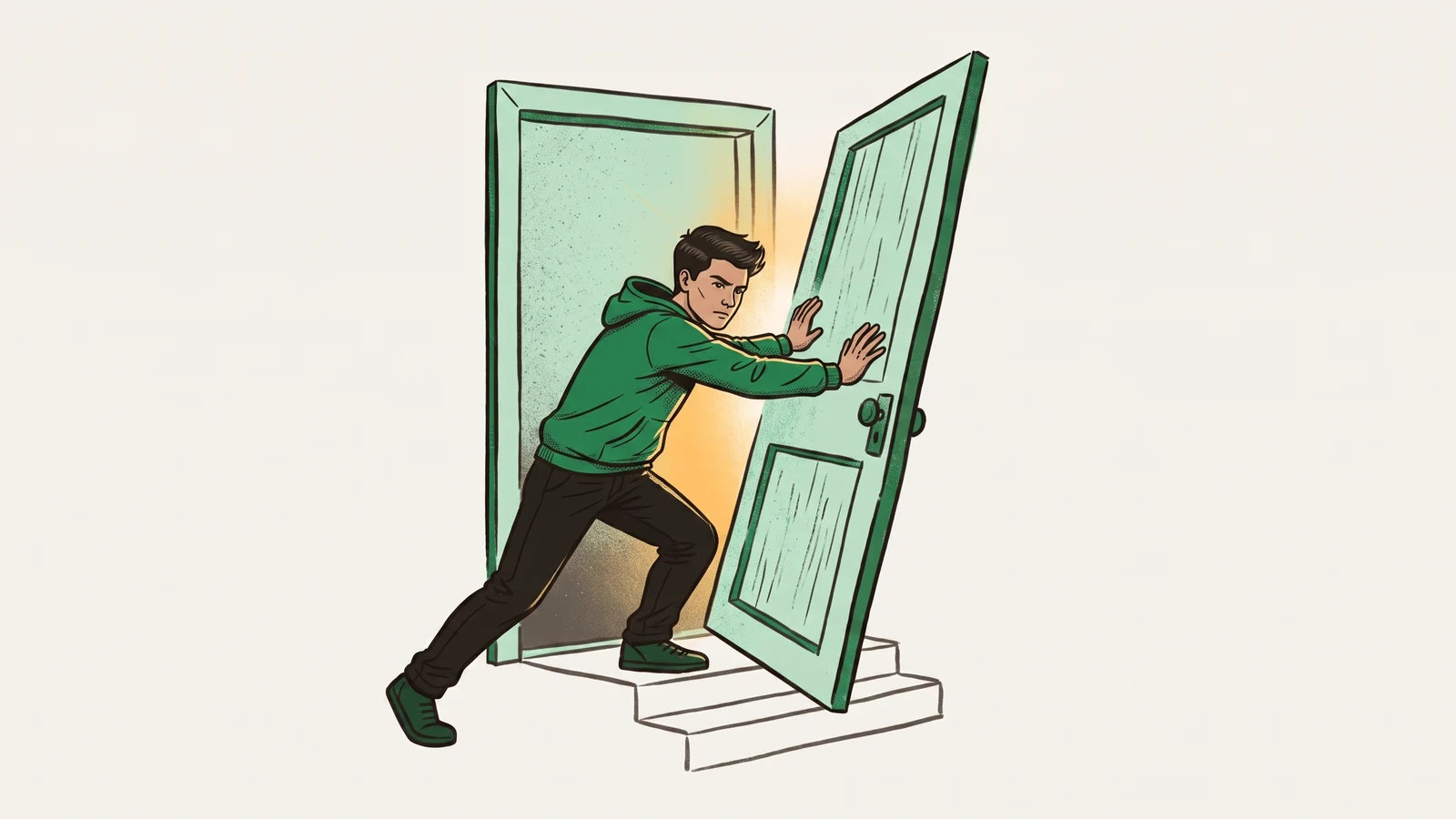
The shrug. The "whatever." The young person going through the motions with the enthusiasm dial set to zero. Before you read it as laziness, consider this: disengagement is usually a signal, not a character trait. And full engagement (showing up with real presence and effort) is a competency that can be rebuilt.
At Altitude, this is Engages Fully, one of five competencies in the Mindset domain. Here's how to help.
What "Engages Fully" Means
Engaging fully is showing up to life with presence and investment. For a young person, it looks like bringing real attention and effort to what they're doing, participating rather than coasting, and approaching experiences with curiosity instead of detachment.
It's the difference between a teen who's merely present and one who's actually in it, and that difference shapes how much they get from nearly everything they do.
Why Disengagement Isn't Laziness
When a young person checks out, "lazy" is the easy label, and usually the wrong one. Disengagement is more often a signal: the thing feels meaningless to them, they have no real say in it, the pressure has made withdrawal feel safer, or they're protecting themselves from the risk of trying and falling short. Read as a signal rather than a flaw, disengagement points toward what to change (meaning, autonomy, and safety to invest) rather than toward a lecture about effort.
How to Build It at Home
Connect it to genuine interest. Engagement comes easily where a young person actually cares. Start there, and let the experience of being fully in something transfer outward.
Give real autonomy and ownership. People engage with what's theirs. Handing over genuine choice and responsibility is one of the fastest routes out of checked-out.
Reduce the pressure that breeds withdrawal. When the stakes or criticism run high, disengagement can feel protective. Lowering the temperature can make it safe to invest again.
Model your own engagement. Let your teen see you genuinely absorbed in things: curious, invested, present. Engagement is contagious.
Frequently asked questions
How do I motivate a disengaged teen?
Treat disengagement as a signal rather than laziness: look at whether the thing feels meaningful, whether they have real say in it, and whether pressure has made withdrawal feel safer. Connect activities to genuine interests, hand over real autonomy and ownership, lower the pressure where it's high, and model your own engagement. Re-engagement grows from meaning and ownership, not from urging.
Why is my teen so checked out?
Usually it points to one of a few things: the activity feels meaningless to them, they have little control over it, the pressure has made it safer to not try, or they're protecting themselves from failure. Identifying which it is tells you what to adjust. It's rarely simple laziness, and it's usually changeable.
When should I worry that disengagement is something more?
If the checked-out feeling is broad and persistent (spanning things they used to enjoy, paired with changes in mood, sleep, energy, or withdrawal from friends), it may be more than a motivation issue, and it's worth checking in with a qualified professional. Trust your read of whether this is a phase or a deeper shift.
Related Resources
From Altitude:
Disengagement is usually a signal, not a character trait, and full engagement grows back through meaning, ownership, and a little room to care again.
Altitude opens to founding families in January 2027. Join the waitlist to be among the first families in Florida and Georgia.