

How to Help Your Teen Communicate Clearly and Listen Well
Communication isn't just talking. It's being understood and truly understanding. Here's how to help your teen build both halves.
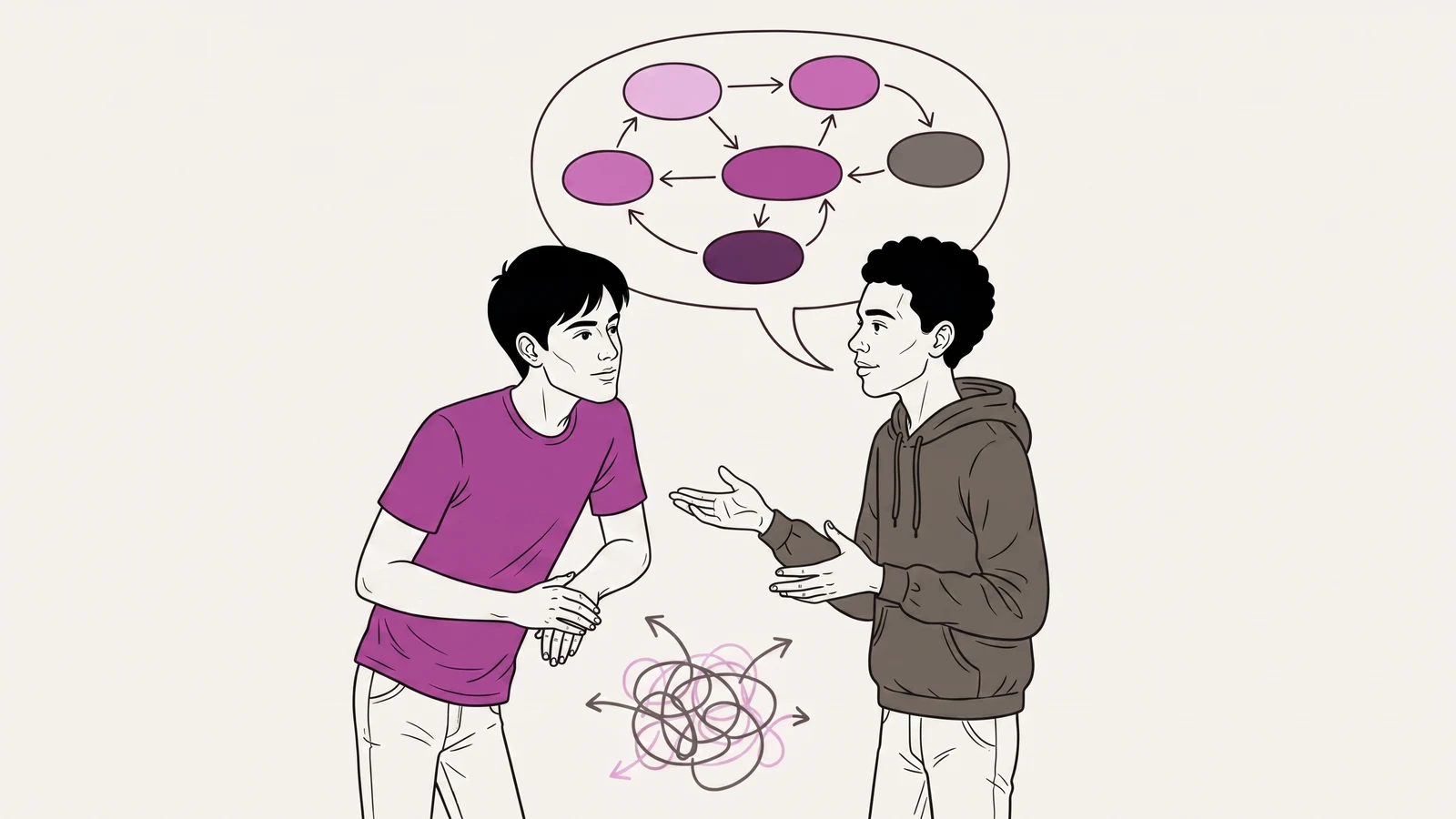
Communication isn't just talking. It's being understood, and truly understanding someone else. Most teens, like most adults, have built only the first half. The listening half is where the real growth usually is.
At Altitude, this is Communicates, one of six competencies in the Social domain. Here's how to help your teen build both sides.
What "Communicates" Means
Communicating is expressing yourself clearly and listening well. For a young person, it looks like saying what they mean, asking for what they need, listening to understand rather than just to reply, and adjusting how they speak depending on who they're talking to.
Four skills, two directions: expressing outward and taking in. A strong communicator does both, and can shift register between a friend, a coach, and a stranger.
Why Listening Is the Half That Gets Skipped
When we think about communication, we usually think about getting our point across. But listening to understand (not just waiting for your turn to talk) is the rarer and more powerful skill. A young person who can truly listen makes others feel heard, picks up what's really being said, and responds to the actual person in front of them. It's the half that, once built, sets a teen apart.
How to Build It at Home
Model real listening. Put the phone down, make eye contact, and reflect back what you heard before responding. Your teen learns listening mostly by being listened to.
Let them advocate for themselves. Ordering at a restaurant, asking a coach a question, handling a return, real situations where they have to say what they need build clear expression.
Coach "say it so they get it." Help your young person consider their listener: "How would your coach need to hear that, versus your friend?" Adjusting to the audience is core to the skill.
Prioritize face-to-face. So much teen communication happens by text, which strips out tone and cues. Encourage the important conversations to happen in person, where the full skill gets practiced.
Frequently asked questions
How can I improve my teen's communication skills?
Model real listening by putting your phone down and reflecting back what you hear, give your teen real situations to advocate for themselves (ordering, asking questions, handling tasks), and coach them to consider their listener. Prioritize face-to-face conversation over text for the important things, since that's where the full skill gets practiced.
How do I get my teen to actually talk to me?
Often the key is listening more than prompting. Young people open up more when they feel genuinely heard rather than questioned or fixed, so reflecting back what they say, staying curious, and resisting the urge to lecture tends to draw out more than direct interrogation. Side-by-side moments (driving, walking, cooking) often work better than face-to-face "talks."
Why does my teen communicate so differently online versus in person?
Text and online communication strip out tone, expression, and timing, so the skills there are genuinely different from face-to-face conversation. A young person can be fluent online and still be building in-person communication, which is why prioritizing face-to-face practice for important conversations matters.
Related Resources
From Altitude:
Communication isn't just talking. It's being understood (and truly understanding), and a young person who builds both halves, especially the listening one, has a skill that shapes every relationship they'll ever have.
Altitude opens to founding families in January 2027. Join the waitlist to be among the first families in Florida and Georgia.