

How to Help Your Teen Build Real Self-Care Habits
Self-care isn't bubble baths. It's a teen learning to tend their own wellbeing. Here's how to help your teen build real self-care habits.
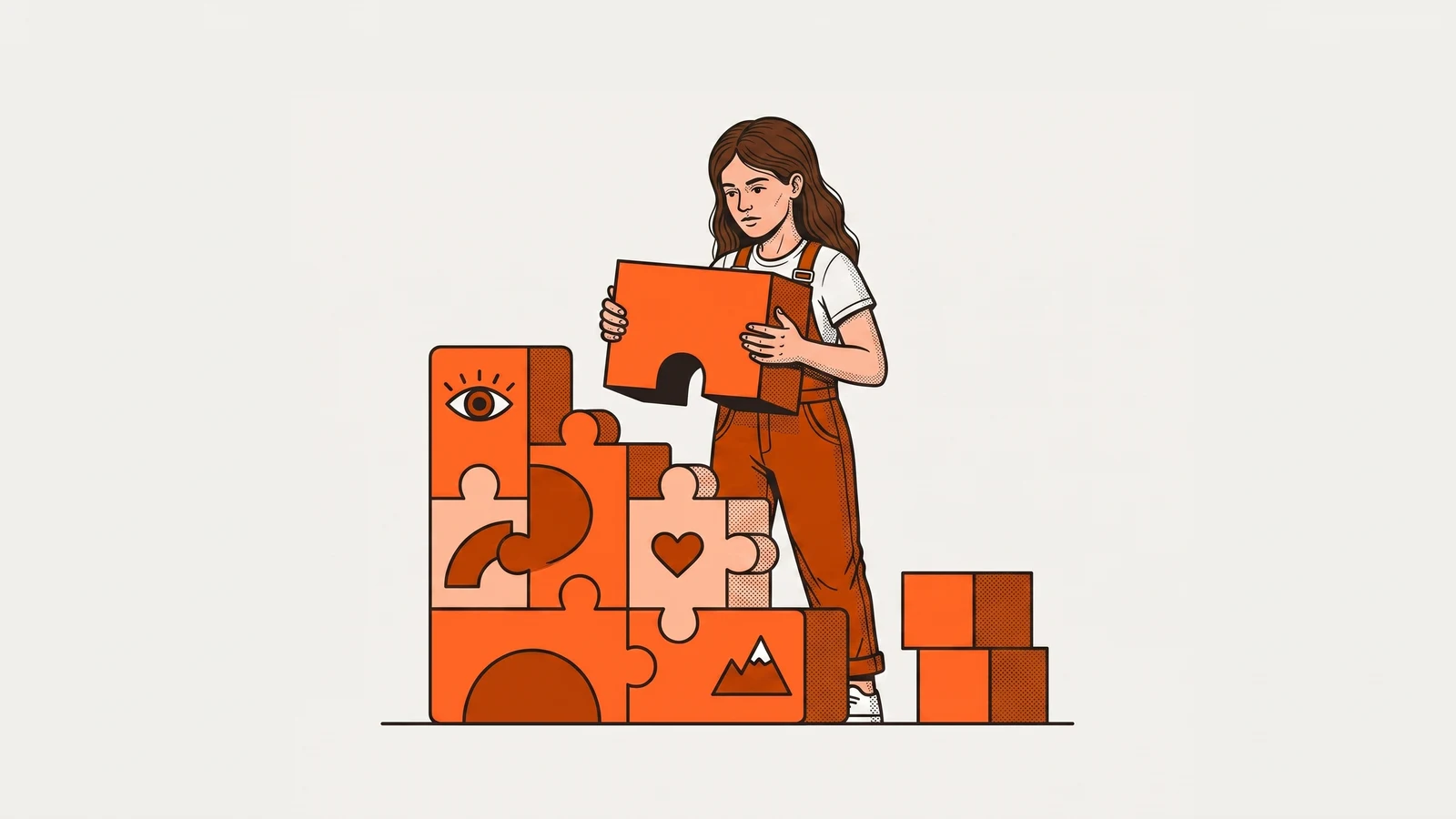
Self-care has been flattened into a marketing word, bubble baths, face masks, treat-yourself purchases. The real thing is quieter and more durable: a young person learning to tend their own wellbeing with intention, so they can keep showing up for the life they want. And it's a competency a teen builds, mostly by watching and practicing.
At Altitude, this is Cares for Self, one of four competencies in the Identity domain. Here's how to help.
What "Cares for Self" Means
Caring for self is tending to your own wellbeing with intention. For a young person, it looks like building healthy routines, setting boundaries that protect their energy, asking for help when they need it, and treating themselves with the same kindness they'd offer a friend.
It's not indulgence, and it's not selfishness. It's the practical, ongoing work of keeping yourself well, which is what makes everything else sustainable.
Why It's Caught as Much as Taught
Young people learn self-care less from being told and more from what they see. A parent who rests without guilt, sets a boundary kindly, and asks for help when they need it teaches self-care more powerfully than any lecture about sleep or screen time. Cares for Self is caught as much as taught. The way you treat your own wellbeing quietly sets the template your teen will work from, which is both a responsibility and an opportunity.
How to Build It at Home
Model self-care without guilt. Let your young person see you rest, recharge, and tend your own needs as a normal, non-negotiable part of life, not something you apologize for.
Frame the basics as self-care, not rules. Sleep, movement, downtime, real food, presented as ways to feel good and function well, not as compliance, these become habits a teen owns.
Teach boundaries as a skill. Help your teen practice saying no, protecting their energy, and stepping back when they're depleted. Boundary-setting is core self-care, and it takes practice.
Normalize asking for help. Make it clear that reaching out (to you, or to someone qualified) is a strength, not a weakness. A young person who can ask for help has a vital self-care skill.
A note: this competency is about everyday wellbeing habits. If a young person is struggling with their mental health in a way that goes beyond ordinary ups and downs, caring for self also means connecting them with a qualified professional.
Frequently asked questions
What does healthy self-care look like for teens?
Real self-care for teens is tending their own wellbeing with intention: building healthy routines around sleep, movement, and downtime; setting boundaries that protect their energy; asking for help when they need it; and treating themselves with kindness. It's the practical work of keeping yourself well, not the bubble-bath, treat-yourself version marketing tends to sell.
How do I teach my teen self-care without nagging?
Model it more than you preach it, self-care is caught as much as taught. Let your teen see you rest without guilt, set boundaries kindly, and ask for help, and frame the basics (sleep, movement, downtime) as ways to feel good rather than rules to follow. What they watch you do shapes them more than what you tell them to do.
Is teaching self-care just encouraging selfishness?
No. They're different things. Self-care is tending your own wellbeing so you can keep showing up for your life and the people in it; selfishness is disregarding others. A young person who cares for themselves well actually has more to give, not less, because they're not running on empty.
Related Resources
From Altitude:
Self-care isn't bubble baths. It's a young person learning to tend their own wellbeing so they can keep showing up for the life they want. And because Cares for Self is caught as much as taught, the way you treat your own wellbeing is where it starts.
Altitude opens to founding families in January 2027. Join the waitlist to be among the first families in Florida and Georgia.