

How to Help Your Teen Build Genuine Self-Belief
Real confidence isn't hype. It's the belief that you can grow. Here's how to help your teen build self-belief that lasts.
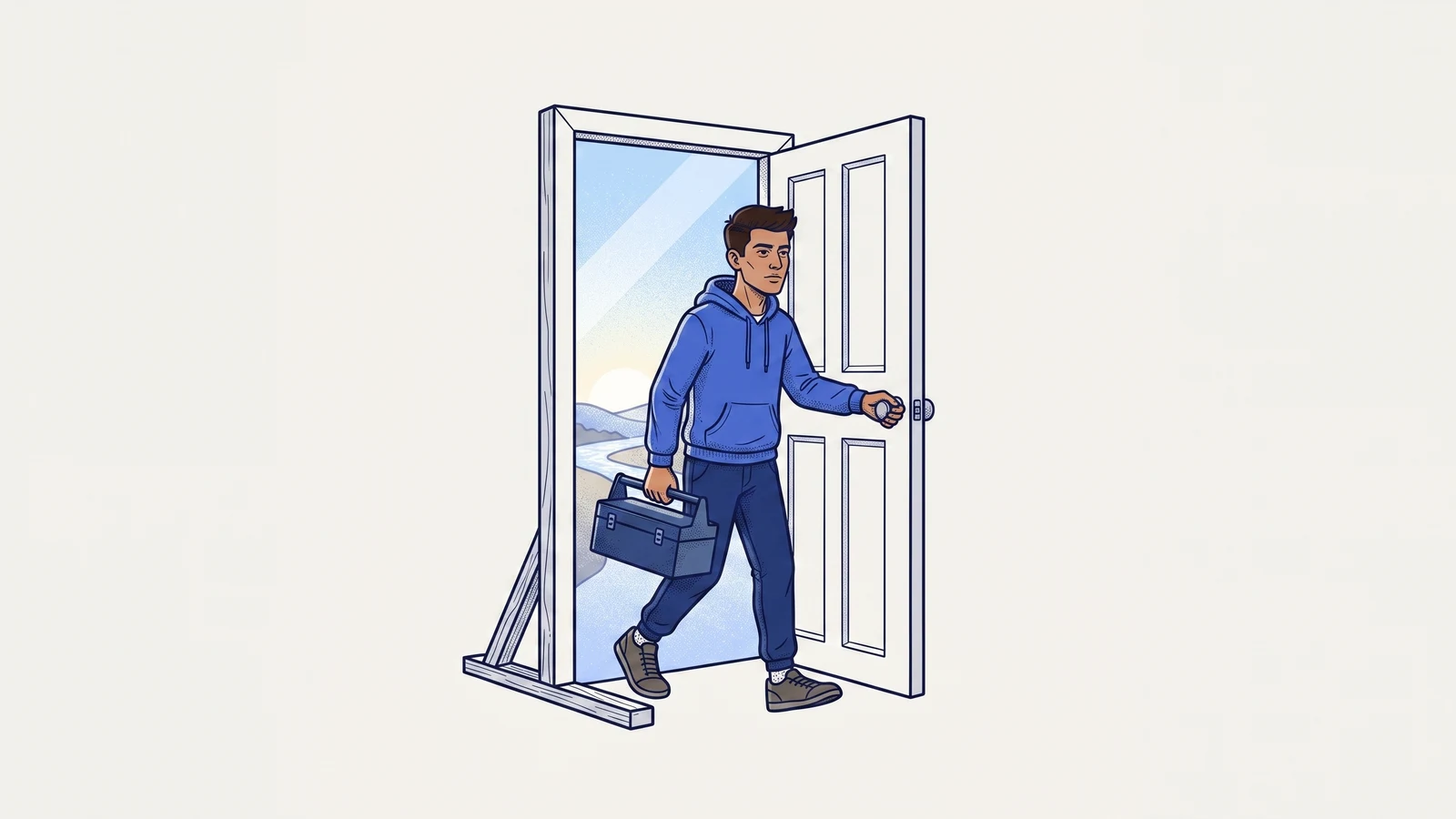
The confidence that lasts isn't the loud kind, and it isn't built on praise. It's quieter and sturdier than that: the belief that I can grow, that effort leads somewhere, and a setback isn't a final verdict on who you are.
At Altitude, this is Believes in Self and Growth, one of four competencies in the Identity domain. Here's how to help your teen build it.
What "Believes in Self and Growth" Means
This competency is about holding a confident, growth-oriented view of yourself. For a young person, it looks like trusting they can improve with effort, treating a setback as information rather than a verdict, and approaching a new challenge believing they're capable of figuring it out.
Notice it pairs two things: belief in self and belief in growth. That pairing is what makes it durable. It's not "I'm already great," but "I can become more than I am now."
Why Real Confidence Is About Growth, Not Praise
Much of the popular advice on teen confidence is about boosting self-esteem, praise, affirmations, feeling good. But confidence built on praise is fragile; it needs constant refueling and crumbles at the first real failure. Confidence built on growth is sturdy, because it doesn't depend on everything going well. A young person who believes they can improve can survive a setback, a criticism, or a hard season without it shaking who they are. And it's worth saying clearly: real confidence isn't about being outgoing or loud, a quiet teen can be deeply self-assured.
How to Build It at Home
Praise effort and strategy, not just outcomes or talent. "You found a new way to approach that" builds growth-belief; "you're so smart" quietly teaches that ability is fixed.
Let them earn confidence through real challenge. Confidence that's given doesn't stick; confidence earned by doing something genuinely hard does. Resist over-protecting them from struggle.
Reframe setbacks as data. "What did that teach you?" turns a failure into fuel for growth rather than evidence against them.
Be a cheerleader, not a director. Support their plan to move forward rather than taking over. Believing in their capability is how they learn to believe in it too.
Model your own growth. Let your teen see you take on something hard, struggle, and improve. Self-belief is caught as much as taught.
Frequently asked questions
How do I build confidence in my teen?
Focus on growth rather than praise. Praise effort and strategy instead of talent or outcomes, let your teen earn confidence by doing genuinely hard things, reframe setbacks as information, and act as a cheerleader who supports their plan rather than a director who takes over. Confidence built on the belief that they can grow is far sturdier than confidence built on feeling good.
What's the difference between confidence and self-esteem?
Self-esteem is how a young person feels about themselves overall; the kind of confidence worth building is the belief that they can grow and handle challenges. Confidence rooted in growth is more durable than self-esteem rooted in praise or feeling good, because it doesn't depend on everything going well. It survives setbacks.
My teen seems to lack confidence. How can I help?
Start from their genuine strengths and give them real (manageable) challenges where they can experience earning success, which builds belief more than reassurance does. Praise effort, reframe setbacks as learning, and model your own growth. If low confidence seems persistent and is significantly affecting their daily life or relationships, it can be worth talking with a qualified professional.
Related Resources
From Altitude:
The confidence that lasts isn't built on praise. It's built on the belief that you can grow, and a setback is information, not a verdict. Every real challenge your teen meets builds it a little more.
Altitude opens to founding families in January 2027. Join the waitlist to be among the first families in Florida and Georgia.