

Helping Teens Build Genuine Friendships
You can't make friends for your teen, but you can help them build the skill of forming genuine connections. Here's how.
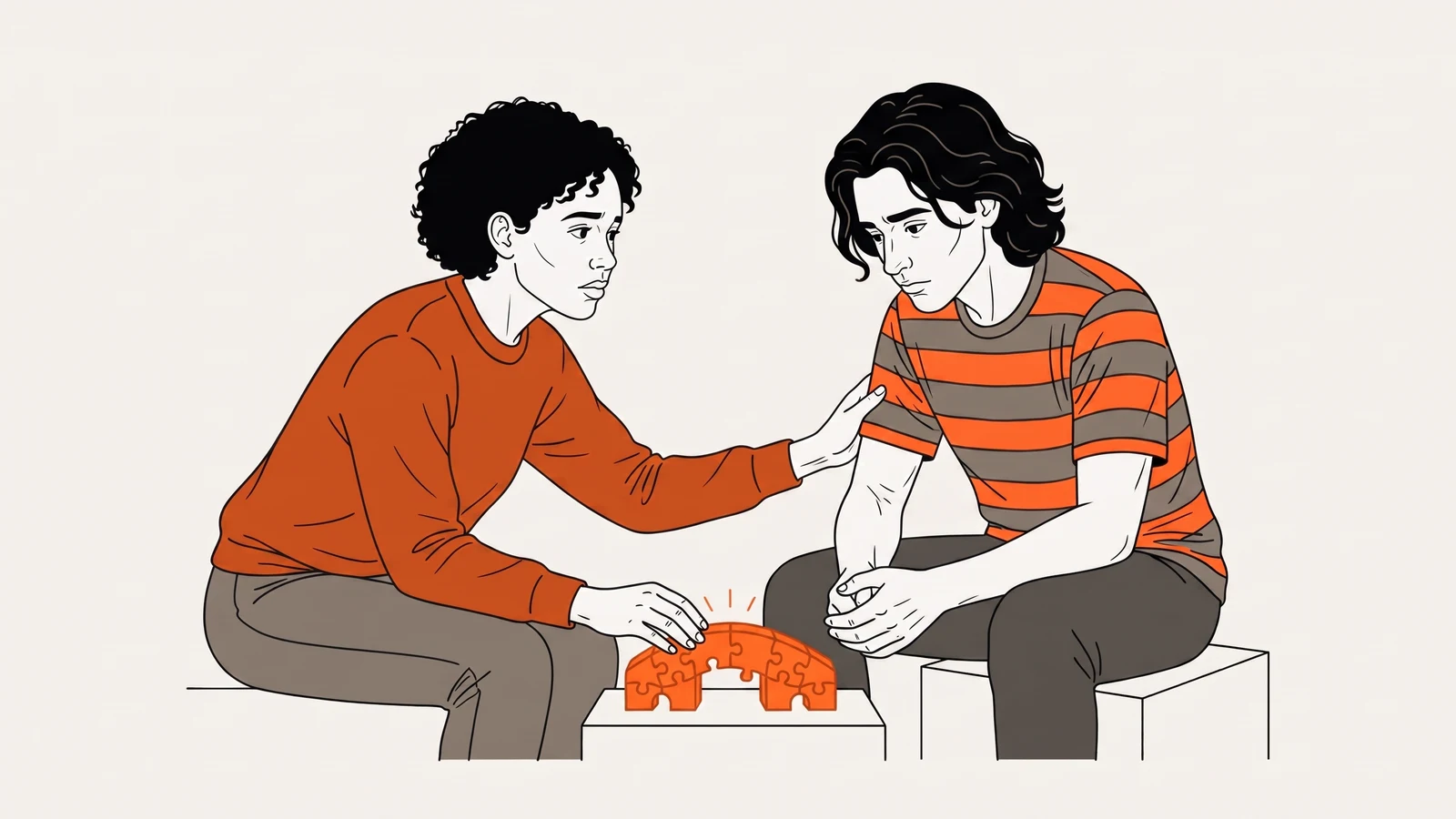
You can't make friends for your teen, and watching them struggle to connect is one of the harder things a parent feels. But you can help with the part that's actually learnable: the skill of forming and keeping genuine relationships.
At Altitude, this is Builds Relationships, one of six competencies in the Social domain. Here's how to help.
What "Builds Relationships" Means
Building relationships is forming and maintaining genuine connections. For a young person, it looks like knowing how to start a conversation, showing real interest in others, following through on commitments to friends, and investing in relationships over time, not only when it's convenient.
Notice the maintaining. Lots of advice focuses on making friends; the deeper skill is keeping them, the follow-through and consistency that turn an acquaintance into a real friend.
Why It's a Skill, Not Luck
It's easy to conclude that a young person who struggles socially "just isn't good at making friends." But connection is built from specific, learnable behaviors: opening a conversation, showing curiosity about someone else, remembering what matters to them, showing up when you said you would. A teen who builds those habits builds friendships. It's far less about luck or personality than it looks.
How to Build It at Home
Create low-stakes proximity. Friendships form most easily around shared activities, a club, a team, a class, a volunteer role. Help your teen get into settings where connection can happen naturally, repeatedly.
Coach the follow-through. Making a connection is step one; following up is what builds it. Gently nudge: "You mentioned you and Sam hit it off, want to reach out?"
Model your own friendships. Let your young person see you invest in friends, making the call, showing up, keeping in touch. Relationship-building is caught as much as taught.
Value depth over count. A teen doesn't need a crowd. One or two real friendships matter far more than a wide, shallow social circle, and saying so takes the pressure off.
Frequently asked questions
How can I help my teen make friends?
Help them get into settings built around shared interests where connection happens naturally and repeatedly, coach the follow-through after an initial connection, and model investing in your own friendships. Emphasize that one or two genuine friendships matter more than a big circle. It takes the pressure off and points them toward real connection.
My teen doesn't seem to have many friends, should I worry?
Not necessarily. Some young people are content with one or two close friends and don't want a wide circle, which is perfectly healthy. What matters is whether they have genuine connection and the skills to build it, not the headcount. If they seem lonely or distressed about it, gently help them build relationship skills and find shared-interest settings.
Are online friendships real friendships for teens?
They can be genuine, but they work best alongside in-person connection rather than replacing it. The relationship-building skills are similar (showing interest, following through, investing over time), but face-to-face friendship also builds the cue-reading and conversation skills that screens can't fully replicate.
Related Resources
From Altitude:
You can't make friends for your teen. But you can help them build the skill of making them, one conversation, one follow-through, one genuine connection at a time.
Altitude opens to founding families in January 2027. Join the waitlist to be among the first families in Florida and Georgia.