

How to Teach Empathy to Teenagers
Empathy is a skill teens build, not a trait they're born with. Here's how to help your teen tune in to others and respond with genuine care.
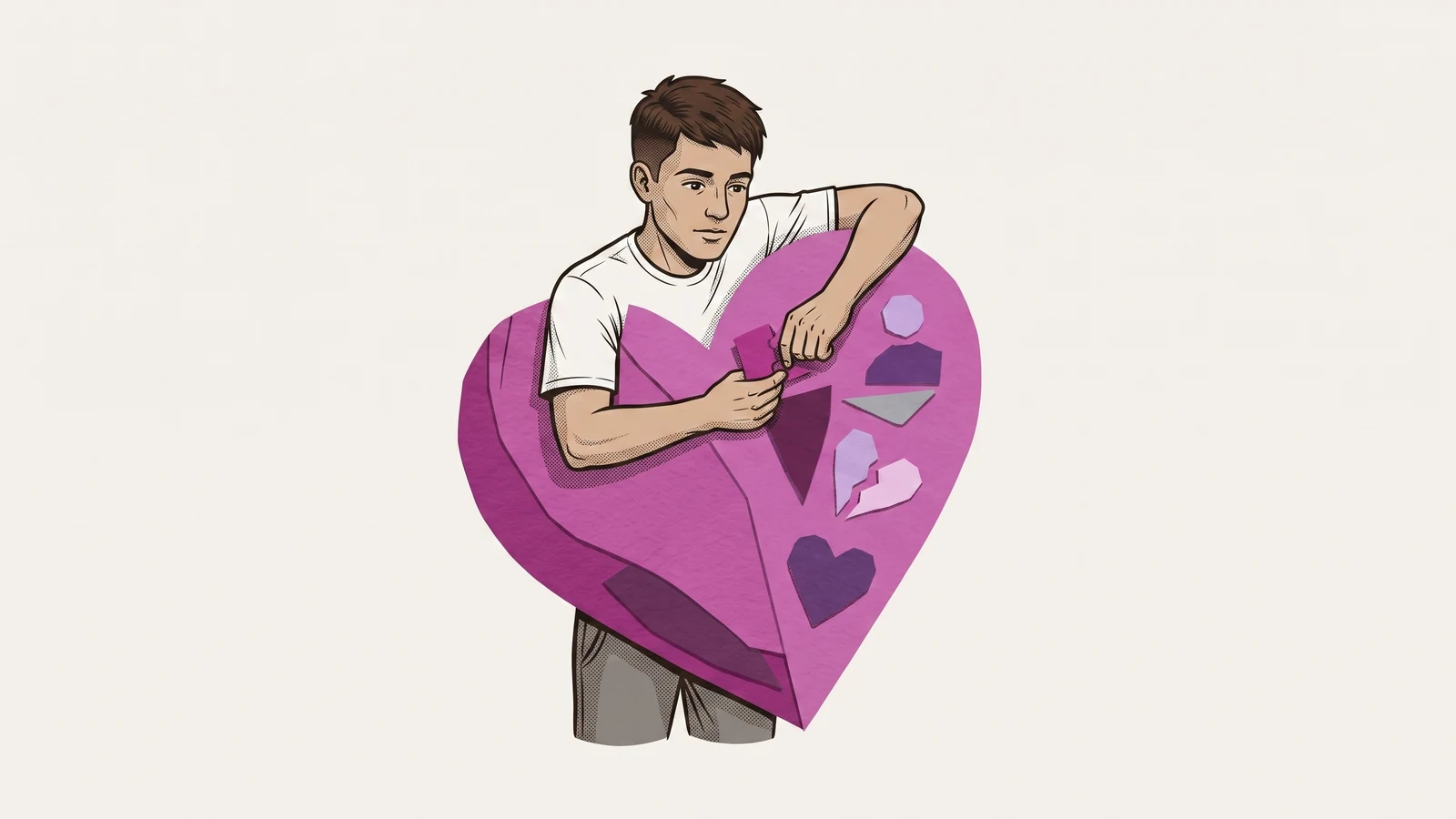
If your teen seems wrapped up in their own world right now, you're not seeing a character flaw. You're seeing a skill still under construction. Empathy isn't a fixed trait some kids have and others don't. It's a competency, and it can be built.
At Altitude it's called Practices Empathy, one of four in the Emotion domain. Here's what it means and how to nurture it in your young person.
What "Practices Empathy" Means
Practicing empathy means tuning in to what others are going through and responding with care. For a young person, that looks like listening without rushing to judge, imagining what an experience is like for someone whose life looks different from theirs, and noticing when a friend is struggling even before it's said out loud.
Notice the word practices. Empathy isn't a feeling you either have or you don't. It's something a young person actively does, and gets better at with reps.
Why It Can Feel Scarce in the Teen Years
Adolescence involves a lot of necessary inward focus, figuring out identity, managing a fast-changing inner world. That can look like self-absorption, but it's usually developmental, not permanent. The capacity for deep empathy is very much there; it often just needs drawing out. That's good news: it means empathy is something you can intentionally help grow, not something to wait and hope for.
How to Build It at Home
Model perspective-taking out loud. "I wonder what kind of day that driver was having." Narrating your own empathy shows your teen how it's done.
Ask the imagining questions. "How do you think she felt when that happened?" Questions that prompt your young person to step into someone else's experience build the muscle directly.
Expose them to other lives. Books, documentaries, conversations with people unlike them, empathy grows when a teen encounters experiences beyond their own.
Create chances to help. Volunteering, caring for a younger sibling, showing up for a friend, empathy deepens through action, not lecture.
Don't shame the lapses. When your teen misses someone's feelings, resist "how could you be so thoughtless?" Try "how do you think that landed for them?" Curiosity builds empathy; shame shuts it down.
Frequently asked questions
How do you teach empathy to teenagers?
Model it out loud, ask questions that prompt perspective-taking ("how do you think they felt?"), expose your teen to lives different from their own, and create real chances to help others. Empathy grows through practice and example far more than through being told to be kind.
Can empathy actually be taught?
Yes. While people vary in natural tendency, empathy is a skill that strengthens with practice, noticing others' feelings, imagining their perspective, and responding with care all improve when a young person does them regularly.
Why does my teen seem to lack empathy?
Often it's developmental, not a true lack. Adolescence involves intense inward focus that can look like self-absorption, while the capacity for empathy is still there and growing. Drawing it out through perspective-taking and chances to help usually does more than worrying about its absence.
Related Resources
From Altitude:
Empathy isn't something your teen either has or lacks. It's a competency they build, every time they pause to imagine how someone else feels.
Altitude opens to founding families in January 2027. Join the waitlist to be among the first families in Florida and Georgia.