

How to Help Your Teen Manage Stress and Pressure
Stress is part of a full life. Managing it is a skill. Here's how to help your teen recognize pressure early and build real tools to stay steady.
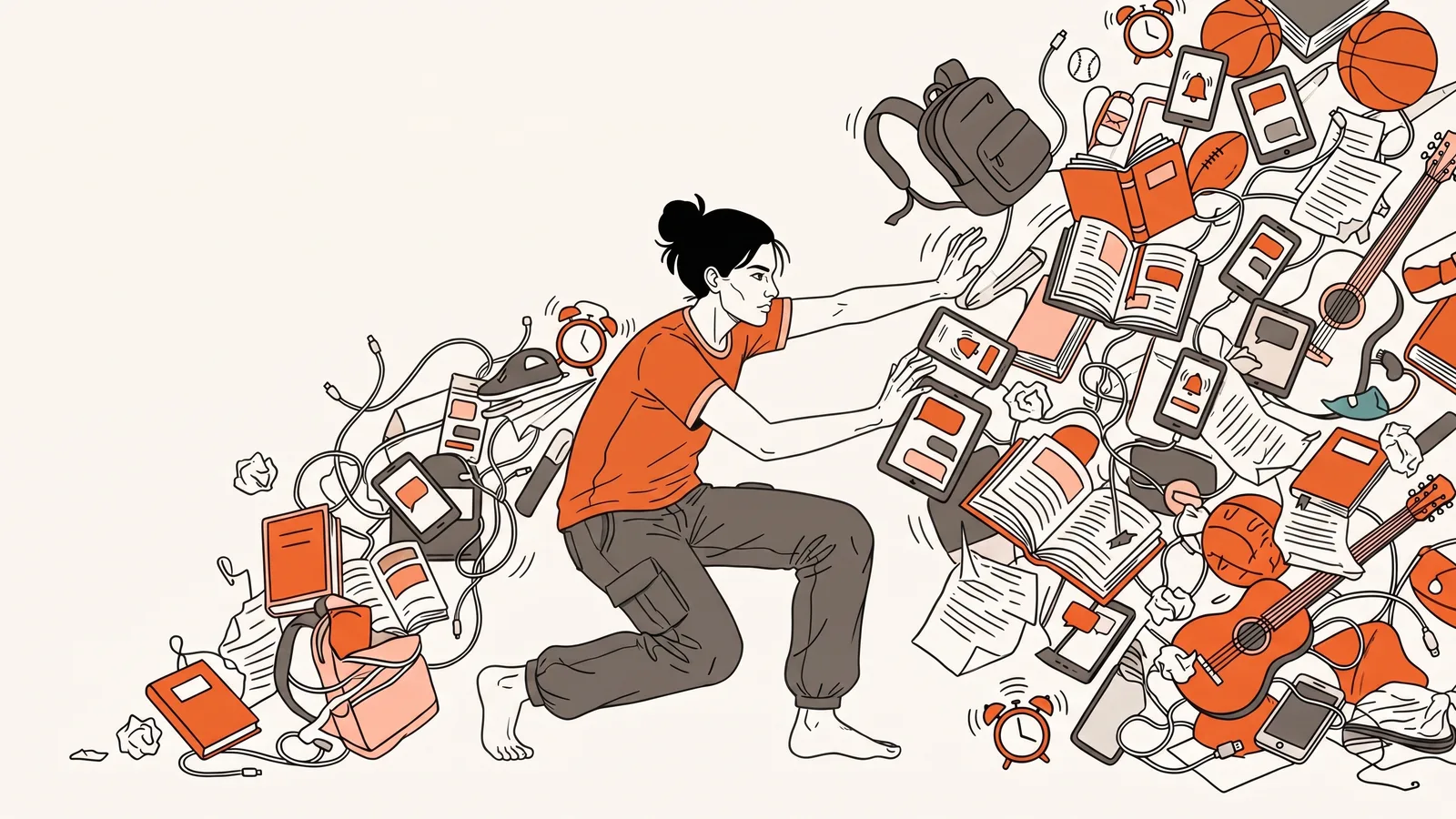
Every teen feels pressure, whether from a deadline, a performance, a hard week, or their own expectations. The goal was never to remove it. A life with anything worth doing in it will always have pressure. The real skill is learning to manage it: to feel the heat and stay steady inside it.
At Altitude, this is Manages Stress and Pressure, one of four competencies in the Emotion domain. Here's how to help your young person build it.
What "Manages Stress and Pressure" Means
Managing stress means using healthy strategies to stay steady when demands are high. For a young person, that looks like recognizing the early signs of stress (tension, racing thoughts, irritability) and using real tools to reset before they're overwhelmed: breathing, breaking a big task into parts, stepping back, or asking for help.
The key word is manages. This isn't about a stress-free life. It's about a young person who can carry pressure without being flattened by it.
Why This Is a Skill Worth Building Now
The teen years bring rising, real demands, and a young person who only ever had stress removed for them never gets to build the muscle for handling it. A teen who learns to manage pressure now carries that capacity into everything ahead: hard seasons, big goals, the ordinary weight of a full life.
There's also a quiet confidence that comes from it. A young person who knows they can feel pressure and handle it approaches challenges differently than one who fears being overwhelmed. The skill itself becomes a source of steadiness.
How to Help Your Teen Build It at Home
Help them spot the early signs. Stress managed early is far easier than stress at full boil. Help your teen notice their own tells, the clenched shoulders or the short fuse, before things peak.
Build a real toolkit. Not vague advice, but specific, practiced tools: a few minutes of movement, slow breathing, breaking the overwhelming thing into one next step. Different tools fit different young people. Help them find theirs.
Normalize asking for help. Reaching out isn't failing to cope; it's a coping skill. A teen who can say "I'm in over my head" has a real advantage.
Don't remove every pressure. It's tempting to clear obstacles, but managed challenge is how the skill grows. Be the steady support beside them, not the one who carries it for them.
Protect the basics. Sleep, movement, and downtime are the foundation that makes pressure manageable. You can model and make room for these without it becoming a lecture.
Start from strength. Maybe your teen handles academic pressure well but struggles socially, or stays loose until things pile up. Build from what already works.
Frequently asked questions
How can I help my teen manage stress?
Help them recognize the early signs of stress, build a toolkit of specific strategies they've practiced (movement, breathing, breaking tasks down), and normalize asking for help. Resist removing every pressure, since managed challenge is how the skill develops, and protect the basics like sleep and downtime that make stress easier to handle.
What are healthy ways for teens to handle pressure?
Practical, repeatable tools work best: physical movement, slow breathing, breaking a big demand into a single next step, stepping back briefly, and reaching out for support. The most useful thing is having practiced these before the pressure hits, so they're familiar and available in the moment.
Is some stress actually okay for teens?
Yes. A life with meaningful things in it will always involve pressure, and learning to manage it is an important skill. The goal isn't a stress-free adolescence but a young person who can carry pressure and stay steady, which builds real confidence over time.
This post addresses everyday stress and pressure as a developmental skill. If a young person is experiencing persistent or overwhelming distress, that's worth a conversation with a qualified professional.
Related Resources
From Altitude:
Pressure isn't the enemy. A young person who can recognize it, reach for the right tool, and stay steady has built something they'll use for life.
Altitude opens to founding families in January 2027. Join the waitlist to be among the first families in Florida and Georgia.